Shop Jaws Podiatry on Amazon
Podiatrist-formulated foot-care products for fungus, calluses, and cracked heels.
Visit the Jaws Podiatry Store →As an Amazon Associate we earn from qualifying purchases.
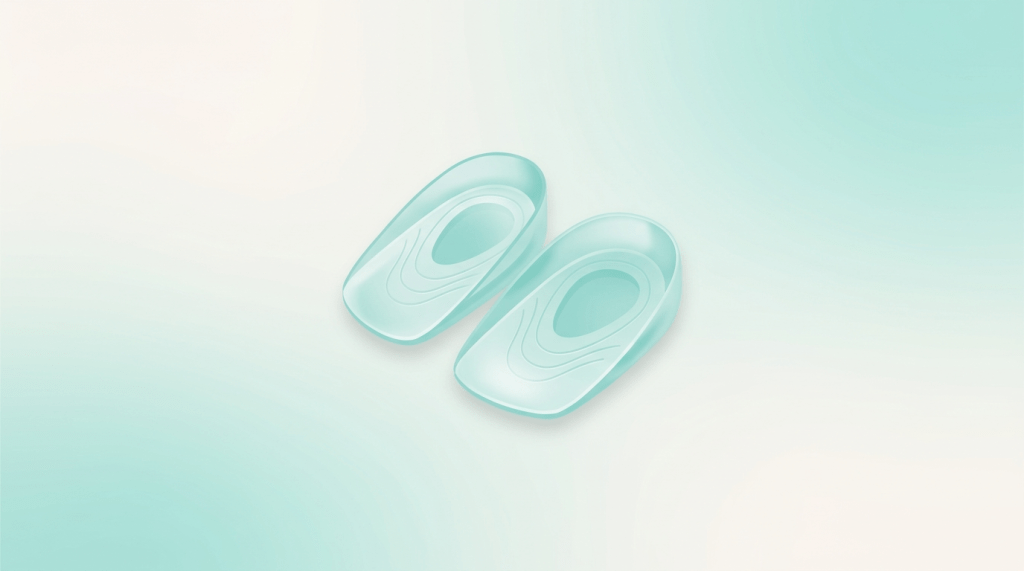
The best heel cups for heel pain offer superior shock absorption, targeted cushioning, and stability to alleviate discomfort caused by conditions like plantar fasciitis, heel spurs, and general impact. They work by cradling the heel, distributing pressure, and providing a soft landing for each step, allowing injured tissues to rest and recover.
What to Look For in Heel Cups
- Material: Look for medical-grade silicone or gel for optimal shock absorption and durability. EVA foam can also provide good cushioning and be lighter.
- Design: A deep heel cup design helps stabilize the heel and prevent excessive motion, which is crucial for conditions like plantar fasciitis. Some designs also include a raised arch support for added stability.
- Cushioning vs. Support: Determine if you primarily need soft cushioning for impact relief or a more structured cup that also offers stability and alignment. Many effective heel cups offer a balance of both.
- Adhesive vs. Non-Adhesive: Some heel cups have an adhesive backing to keep them firmly in place, while others rely on the shoe’s fit. Adhesive options can be good for active individuals or those who experience slipping.
- Size and Fit: Heel cups are typically sold in shoe sizes or as one-size-fits-most. Ensure the product dimensions will fit comfortably in your shoes without crowding your toes or causing new pressure points.
- Durability and Longevity: High-quality materials will withstand daily wear and tear. Consider how often you’ll be using them and choose a material known for its resilience.
- Ease of Cleaning: Many heel cups are washable, which is important for hygiene and maintaining their effectiveness over time.
Top Picks for Heel Pain Relief
Deep-Cushioning Silicone Heel Cups
These are often the go-to choice for general heel pain, plantar fasciitis, and heel spurs due to their excellent shock-absorbing properties. Made from medical-grade silicone, they conform to the heel’s natural shape, providing a soft landing for every step. Their deep cup design helps to stabilize the fatty pad under the heel, preventing it from splaying out and losing its natural cushioning effect. They are particularly effective for individuals who spend long hours on their feet or engage in high-impact activities.
- Best For: Plantar fasciitis, heel spurs, general heel pain, reducing impact during daily activities and sports.
- Pros: Superior shock absorption, durable, hypoallergenic, easy to clean, often transferable between shoes.
- Cons: Can be bulky in some shoes, may feel slightly sticky (though this helps prevent slipping).
For a reliable option, consider these Deep-Cushioning Silicone Heel Cups to provide immediate relief and support.
Gel Heel Cups with Blue Spot Technology
A variation of silicone heel cups, these often feature a softer, denser blue or red gel spot strategically placed under the most sensitive part of the heel (the calcaneal tuberosity, where plantar fasciitis pain often originates). This targeted cushioning provides extra relief to the exact point of pain, while the surrounding firmer gel supports the rest of the heel. They are designed to distribute pressure away from the painful area, promoting healing and reducing discomfort.
- Best For: Targeted relief of plantar fasciitis pain, heel spurs, and localized tenderness directly under the heel.
- Pros: Pinpointed pain relief, excellent shock absorption, durable, often slim enough for various shoe types.
- Cons: May not offer as much overall stability as a full orthotic, the softer spot can wear down over time with heavy use.
If your pain is concentrated in a specific area, these Gel Heel Cups with Blue Spot Technology can offer precise comfort.
Orthotic-Style Heel Cups with Arch Support
Unlike simple cushioning cups, orthotic-style heel cups are designed to provide both cushioning and biomechanical support. They often feature a slightly firmer material, a deeper heel cup, and an integrated, subtle arch support. This combination helps to correct overpronation (inward rolling of the foot), which is a common contributing factor to plantar fasciitis and other heel pains. By stabilizing the foot and supporting the arch, they reduce strain on the plantar fascia and Achilles tendon.
- Best For: Heel pain accompanied by overpronation, mild arch collapse, or a need for more comprehensive foot alignment and stability.
- Pros: Offers both cushioning and structural support, helps correct foot mechanics, can reduce strain on the plantar fascia.
- Cons: Can be stiffer than pure cushioning cups, might require a breaking-in period, may not fit in all types of shoes (especially dress shoes).
For comprehensive support and alignment, consider these Orthotic-Style Heel Cups with Arch Support.
Adhesive Heel Cushions for Minimalist Shoes
These low-profile heel cups are designed for shoes where space is at a premium, such as dress shoes, flats, or sandals. They often feature a thin layer of gel or soft foam with an adhesive backing to ensure they stay put. While they offer less bulk and support than full-sized heel cups, they still provide a valuable layer of cushioning and shock absorption directly under the heel. The adhesive feature is key for preventing slippage in open-back shoes or when transferring between multiple pairs.
- Best For: Dress shoes, flats, sandals, or any footwear with limited space; individuals needing minimal cushioning and discreet relief.
- Pros: Discreet, thin, adhesive keeps them in place, provides cushioning in shoes that typically lack it.
- Cons: Less shock absorption and stability compared to bulkier options, adhesive may lose effectiveness over time, not suitable for severe pain.
For discreet cushioning in any shoe, these Adhesive Heel Cushions are an excellent choice.
EVA Foam Heel Lift/Cushions
Made from ethylene-vinyl acetate (EVA) foam, these heel cups are often lighter and sometimes slightly firmer than silicone options. They can be particularly useful for conditions where a slight heel lift is beneficial, such as Achilles tendonitis, as they reduce tension on the Achilles tendon. They also provide good cushioning and shock absorption, making them a versatile option for various types of heel pain. Some designs allow for customizable height adjustments by removing layers of foam.
- Best For: Achilles tendonitis, mild heel pain, individuals seeking a lighter alternative to silicone, or those who benefit from a slight heel lift.
- Pros: Lightweight, good cushioning, can reduce tension on the Achilles tendon, often more breathable than silicone.
- Cons: May not be as durable as medical-grade silicone for heavy impact, less dense than silicone, which might mean less shock absorption over time.
If you’re looking for a lightweight option that can also provide a subtle lift, these EVA Foam Heel Lift/Cushions are worth considering.
| Product Type | Best For | Key Feature | Watch-Out |
|---|---|---|---|
| Deep-Cushioning Silicone Heel Cups | Plantar fasciitis, general heel pain, high-impact activities. | Excellent full-heel shock absorption and stability. | Can be bulky in tighter shoes. |
| Gel Heel Cups with Blue Spot Technology | Localized plantar fasciitis pain, specific heel spur tenderness. | Targeted, extra-soft cushioning at the point of pain. | Softer spot may wear faster under intense pressure. |
| Orthotic-Style Heel Cups with Arch Support | Heel pain with overpronation, mild arch issues, need for foot alignment. | Combines cushioning with biomechanical support and stability. | May require a break-in period; can be stiffer. |
| Adhesive Heel Cushions for Minimalist Shoes | Dress shoes, flats, sandals, or limited shoe space. | Thin, discreet, with adhesive backing for secure placement. | Offers less comprehensive support than full cups. |
| EVA Foam Heel Lift/Cushions | Achilles tendonitis, mild heel pain, preference for lightweight cushioning. | Lightweight cushioning, can provide a slight therapeutic heel lift. | Generally less durable than silicone for extreme impact. |
Shop Jaws Podiatry on Amazon
Podiatrist-formulated foot-care products for fungus, calluses, and cracked heels.
Visit the Jaws Podiatry Store →As an Amazon Associate we earn from qualifying purchases.
How to Use and Care for Your Heel Cups
Proper use and care are essential to maximize the effectiveness and longevity of your heel cups for heel pain relief.
- Placement: Always place the heel cup firmly at the very back of your shoe, ensuring it’s centered under your heel. For adhesive types, clean and dry the shoe’s insole before sticking it down.
- Compatibility: Ensure the heel cup fits comfortably within your shoe without causing your foot to feel cramped or lifting your heel too high, which could lead to instability or new pressure points. You might need to remove existing insoles if space is tight.
- Break-in Period: Some heel cups, especially orthotic-style ones, may require a short break-in period. Start by wearing them for a few hours a day and gradually increase wear time as your feet adjust.
- Wearing Schedule: For chronic heel pain, consistent use is key. Wear your heel cups in most, if not all, of your supportive shoes throughout the day.
- Cleaning: Most silicone and gel heel cups can be hand-washed with mild soap and warm water. Rinse thoroughly and air dry completely before placing them back in your shoes. Avoid harsh chemicals or machine washing.
- Replacement: Heel cups, like shoes, have a lifespan. Over time, the materials can compress and lose their cushioning and supportive properties. Replace them when you notice signs of wear, tearing, or when they no longer provide the same level of comfort and relief. This typically ranges from 6 months to 2 years depending on material and usage.
- Consult a Podiatrist: If you have diabetes, neuropathy, or poor circulation, it’s especially important to consult a podiatrist before using any new foot care product, including heel cups, to ensure they are appropriate for your specific condition and to avoid potential complications.
Key Takeaways
- The best heel cups for heel pain provide targeted cushioning and stability, essential for managing conditions like plantar fasciitis and heel spurs.
- Material (silicone, gel, EVA foam) and design (deep cup, targeted soft spots, arch support) are crucial factors in choosing the right heel cup for your specific needs.
- Consider your primary pain source – whether it’s general impact, localized tenderness, or biomechanical issues like overpronation – to select the most effective type.
- Proper placement, regular cleaning, and timely replacement are vital for maintaining the effectiveness and hygiene of your heel cups.
- For individuals with underlying health conditions like diabetes or neuropathy, always seek professional medical advice before introducing new foot care devices.
Related Guides
Related Guides
Frequently Asked Questions
Do heel cups really help with heel pain?
Yes, heel cups can be very effective in alleviating heel pain, especially that caused by plantar fasciitis, heel spurs, and general impact. They work by providing crucial shock absorption, cushioning the heel, and sometimes offering stability to correct foot mechanics. This helps reduce stress on the plantar fascia and surrounding tissues, promoting healing and comfort.
What’s the difference between a heel cup and an insole?
A heel cup is a smaller, targeted device designed specifically to fit under the heel, providing cushioning and support to that area. An insole, or orthotic insole, is a full-length insert that supports the entire foot, from the heel to the toes. While some insoles include a heel cup feature, a dedicated heel cup offers more concentrated relief for specific heel issues without altering the fit of the entire shoe as much as a full insole might.
Can I wear heel cups in all my shoes?
Ideally, you should wear your heel cups in most of your supportive shoes to ensure consistent relief throughout the day. However, their fit can vary. Thicker heel cups might not fit well in tight-fitting dress shoes or certain athletic shoes. There are thinner, adhesive heel cushions available for shoes with limited space. Always ensure the heel cup fits comfortably without crowding your toes or causing new pressure points.
How long does it take for heel cups to relieve pain?
The time it takes to feel relief can vary depending on the severity and cause of your heel pain. Many individuals experience immediate comfort and reduced pain with the first use, especially regarding shock absorption. For chronic conditions like plantar fasciitis, consistent use over several weeks or months, combined with other treatments like stretching and rest, is often necessary for significant and lasting improvement.
When should I replace my heel cups?
You should replace your heel cups when they show signs of significant wear, such as flattening, tearing, or when you notice a decrease in their cushioning or supportive properties. The materials can compress over time, losing their effectiveness. Depending on the material and how frequently they are used, this could be anywhere from every 6 months to 2 years. Pay attention to your pain levels; if your heel pain returns or worsens, it might be a sign that your heel cups need replacing.


Leave a Reply