Shop Jaws Podiatry on Amazon
Podiatrist-formulated foot-care products for fungus, calluses, and cracked heels.
Visit the Jaws Podiatry Store →As an Amazon Associate we earn from qualifying purchases.
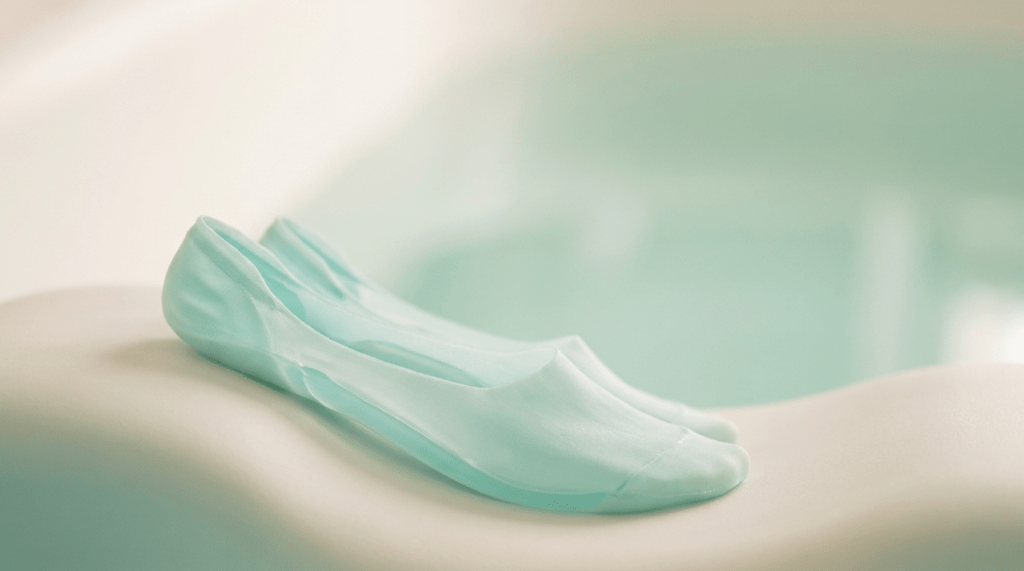
The best moisturizing socks for dry feet combine effective materials with comfort to enhance hydration, soothe rough skin, and prevent future dryness. They typically feature a gel or silicone lining to lock in moisture, or are made from soft, breathable fabrics designed to optimize the absorption of foot creams and balms.
What to Look For in Moisturizing Socks
When searching for the best moisturizing socks for dry feet, consider these key factors to ensure you find a product that truly addresses your specific needs:
- Material & Lining:
- Gel or Silicone Lining: These are highly effective for intensive hydration. The lining creates a barrier that traps moisture and helps skin absorb creams more efficiently. Look for medical-grade gel or silicone.
- Natural Fibers (Cotton, Bamboo, Merino Wool): For lighter hydration or sensitive skin, socks made from these materials offer breathability, softness, and can still enhance cream absorption. Bamboo and merino wool also have natural moisture-wicking properties.
- Synthetic Blends: Often used for durability and stretch, but ensure they don’t cause excessive sweating, which can counteract moisturizing efforts.
- Fit and Comfort: The socks should be snug enough to stay in place and provide good skin contact, but not so tight that they restrict circulation. Look for seamless designs to prevent irritation, especially if wearing them overnight.
- Breathability: While the goal is to trap moisture, excessive heat and lack of breathability can lead to sweat and potential fungal issues. Some lined socks have ventilation holes, while natural fiber socks are inherently more breathable.
- Durability and Washability: Moisturizing socks should withstand repeated washing without losing their effectiveness or shape. Check care instructions carefully.
- Targeted Treatment vs. Full Foot Coverage: Some socks target specific areas like the heel, while others cover the entire foot. Choose based on where your dryness is most prevalent.
- Compatibility with Creams: The socks should be designed to be worn over a foot cream or balm, enhancing its absorption without absorbing the cream into the fabric itself (especially for lined socks).
- Overnight vs. Daytime Wear: Thicker, more intensive socks are often best for overnight use, while lighter, more breathable options might be suitable for daytime wear around the house.
Top Picks for Moisturizing Socks
Here are our top recommendations for moisturizing socks, categorized by their primary features and benefits, to help you find the perfect match for your dry feet.
Gel-Lined Moisturizing Socks for Intensive Hydration
These socks are a powerhouse for severely dry, rough, or callused feet. The interior is coated with a therapeutic gel, often enriched with ingredients like jojoba oil, olive oil, or vitamin E, which gradually release moisturizing compounds onto your skin. Worn over a thick foot cream, they create an occlusive barrier that significantly boosts hydration and softens hardened skin.
- Best For: People with severe dry skin, cracked heels, or general roughness who need an intensive overnight treatment.
- Pros:
- Provides deep, long-lasting hydration.
- Enhances the absorption of applied foot creams.
- Often infused with skin-nourishing ingredients.
- Reusable and washable.
- Cons:
- Can feel warm and less breathable, especially in warmer climates.
- May feel bulky or slippery to walk in due to the gel lining.
- Requires careful washing to maintain gel integrity.
For an effective, intensive treatment, consider a pair of gel-lined moisturizing socks to wear after applying a rich emollient.
Silicone Heel Socks for Targeted Cracked Heel Repair
If your primary concern is stubborn cracked heels, silicone heel socks offer a targeted and effective solution. These socks typically feature a silicone lining specifically at the heel area, providing intense moisture and protection where it’s needed most. The silicone helps to soften the thick, dry skin on the heels, making it more pliable and less prone to cracking. They can be worn alone or over a specialized heel balm.
- Best For: Individuals primarily suffering from cracked heels, fissures, or localized dry patches on the heel.
- Pros:
- Directly targets and softens cracked heel skin.
- Less restrictive and potentially more breathable than full gel-lined socks.
- Can be worn with open-toe footwear if only the heel is covered.
- Durable and easy to clean.
- Cons:
- Only treats the heel area, not suitable for overall foot dryness.
- May feel slightly sticky or warm on the heel.
- Can sometimes shift if not sized correctly.
To specifically address those painful heel cracks, a pair of silicone heel socks can make a significant difference, especially when used in conjunction with a powerful cream like the Jaws Podiatry 40% Urea Callus Cream Jaws Podiatry 40% Urea Callus Cream.
Soft Cotton & Bamboo Blend Socks for Gentle Everyday Hydration
For those with moderately dry feet or sensitive skin, or who prefer a more breathable option for daytime wear, socks made from soft natural fibers like cotton, bamboo, or a blend are an excellent choice. These socks don’t have an internal lining but are designed to be worn over your favorite foot cream, helping to keep the cream in contact with your skin and prevent it from rubbing off. Bamboo, in particular, is known for its incredible softness, moisture-wicking properties, and natural antimicrobial qualities.
- Best For: Daily use, sensitive skin, moderate dryness, or as a comfortable layer over a light moisturizer.
- Pros:
- Highly breathable and comfortable for extended wear.
- Gentle on sensitive skin.
- Absorbs sweat while keeping moisturizer in place.
- Often more affordable and available in various styles.
- Cons:
- Does not provide the same intensive hydration as lined socks.
- Requires consistent application of foot cream to be effective.
- May wear out faster than more specialized options.
For everyday comfort and gentle moisture retention, consider a pair of soft cotton or bamboo blend moisturizing socks.
Overnight Therapy Booties for Maximum Moisture Retention
These are often thicker, plush socks, sometimes made from fleece or a similar soft, insulated fabric, designed specifically for overnight use after applying a generous amount of foot cream. Unlike gel-lined socks, they focus on creating a warm, occlusive environment that maximizes the absorption of your chosen moisturizer without the direct contact of a gel. They often extend higher up the ankle for comprehensive coverage and warmth.
- Best For: Individuals seeking maximum moisture retention during sleep, especially in colder climates, or for those who find gel socks uncomfortable.
- Pros:
- Creates an excellent occlusive environment for moisturizer absorption.
- Very comfortable and warm for overnight wear.
- Can be used with any preferred foot cream or balm.
- Often more durable than gel-lined options.
- Cons:
- Can be too warm for some users or in hot climates.
- May not provide the same direct infusion of moisturizing ingredients as gel-lined socks.
- Less suitable for walking around the house due to thickness.
For a truly indulgent and effective overnight treatment, a pair of overnight therapy booties can significantly improve the condition of your dry feet.
| Best Moisturizing Socks Comparison | Best For | Key Feature | Watch-Out |
|---|---|---|---|
| Gel-Lined Moisturizing Socks | Severe dry skin, calluses, overall foot roughness | Internal gel lining for deep hydration & cream enhancement | Can feel warm, potentially slippery for walking |
| Silicone Heel Socks | Cracked heels, localized heel dryness | Targeted silicone lining specifically at the heel | Only treats the heel, not full foot dryness |
| Soft Cotton & Bamboo Blend Socks | Moderate dryness, sensitive skin, everyday wear | Breathable, comfortable natural fibers; enhances cream absorption | Less intensive hydration than lined options |
| Overnight Therapy Booties | Maximum moisture retention during sleep, cold climates | Thick, plush fabric creates warm occlusive environment | Can be too warm for some, not ideal for walking |
Shop Jaws Podiatry on Amazon
Podiatrist-formulated foot-care products for fungus, calluses, and cracked heels.
Visit the Jaws Podiatry Store →As an Amazon Associate we earn from qualifying purchases.
How to Use & Care Tips for Moisturizing Socks
To get the most out of your moisturizing socks and ensure their longevity, proper usage and care are essential:
- Cleanse Your Feet: Start with clean, dry feet. A gentle foot soak can be beneficial, but ensure your feet are thoroughly dry before applying cream.
- Apply a Rich Moisturizer: This is a crucial step. Apply a generous layer of your favorite foot cream, balm, or petroleum jelly. For severely dry or cracked heels, a specialized product like the Jaws Podiatry 40% Urea Callus Cream can be highly effective when combined with moisturizing socks. Massage it in until it’s mostly absorbed but still leaves a slight residue.
- Don Your Socks: Carefully put on your moisturizing socks. Ensure they fit snugly but comfortably, making good contact with the skin where the cream has been applied.
- Wear Duration:
- Overnight: Most moisturizing socks are designed for overnight wear to allow maximum absorption.
- Shorter Periods: If overnight wear isn’t feasible, aim for at least 30 minutes to a few hours, especially for gel-lined socks.
- Consistency is Key: For best results, incorporate moisturizing socks into your regular foot care routine. Daily or every other night can make a significant difference.
- Care and Cleaning:
- Gel/Silicone Lined Socks: Hand wash gently in cool water with mild soap. Do not wring or twist. Air dry completely, preferably by hanging, with the lining facing outwards initially to ensure it dries thoroughly. Avoid direct sunlight or high heat, which can damage the lining.
- Fabric Socks: Follow the manufacturer’s washing instructions. Most can be machine washed on a gentle cycle with similar colors and air dried or tumble dried on low.
- Replacement: Over time, the moisturizing properties of gel/silicone linings can diminish. Replace socks when you notice a decrease in effectiveness or if the lining starts to break down.
Safety Note: If you have diabetes, neuropathy, poor circulation, or any open wounds or infections on your feet, it is crucial to consult a podiatrist before using any new foot care products, including moisturizing socks. They can advise on the safest and most effective approach for your specific condition.
Key Takeaways
- The best moisturizing socks for dry feet act as an occlusive barrier, enhancing the absorption of foot creams and balms.
- Gel-lined and silicone-lined socks offer the most intensive hydration, while natural fiber blends provide breathable, gentle moisture.
- Always apply a quality foot moisturizer before putting on your socks for optimal results; consider a urea-based cream for severe dryness.
- Consistency in use, whether overnight or for shorter periods, is vital for improving dry and cracked feet.
- Proper cleaning and care will extend the life and effectiveness of your moisturizing socks.
Related Guides
Related Guides
Frequently Asked Questions
How often should I wear moisturizing socks?
For severe dryness or cracked heels, wearing moisturizing socks nightly or every other night can yield significant results. Once your feet show improvement, you might reduce usage to 2-3 times a week for maintenance. For general hydration, even a few times a week can be beneficial. Listen to your feet and adjust your routine accordingly.
Can I wear moisturizing socks overnight?
Yes, most moisturizing socks, especially gel-lined or plush overnight therapy booties, are specifically designed for overnight wear. This allows for extended contact with your skin and moisturizer, maximizing hydration. Ensure the socks are comfortable and not too tight to avoid restricting circulation during sleep.
Do I need to use cream with moisturizing socks?
Absolutely. While some gel-lined socks release their own emollients, their effectiveness is greatly amplified when worn over a generous application of a high-quality foot cream or balm. The socks create an occlusive layer that helps trap the cream against your skin, allowing for deeper penetration and more effective hydration. For areas with calluses or severely cracked heels, a targeted cream like the Jaws Podiatry 40% Urea Callus Cream is highly recommended.
Are moisturizing socks washable?
Yes, nearly all moisturizing socks are designed to be reusable and washable. However, the washing method varies depending on the material
 HealthyStridesHQ
Leave a comment