As an Amazon Associate I earn from qualifying purchases.
To effectively soften and exfoliate cracked heels, begin by consistently hydrating the affected skin with specialized topical treatments that contain ingredients like urea or lactic acid. Follow this by gently removing softened dead skin using appropriate tools, and then maintain the results with daily moisturizing and protective measures to prevent recurrence.
Understanding Cracked Heels: Causes and Impact
Cracked heels, medically known as heel fissures, are a common foot condition characterized by dry, thick, and sometimes painful cracks in the skin around the heel. While often considered a cosmetic issue, deep fissures can lead to discomfort, pain, and even open wounds, increasing the risk of infection.
What Causes Cracked Heels?
- Dry Skin: The most common culprit. Lack of moisture makes the skin less elastic and more prone to cracking under pressure.
- Prolonged Standing: Standing for long periods, especially on hard surfaces, puts constant pressure on the heel pads, causing them to expand sideways. If the skin is dry and lacks elasticity, it cracks.
- Open-Backed Shoes: Sandals or flip-flops allow the heel fat pad to expand sideways more than closed-back shoes, increasing the likelihood of cracking.
- Obesity: Excess weight increases pressure on the heel, causing the fat pad to expand and crack the skin.
- Nutritional Deficiencies: Lack of certain vitamins and minerals (e.g., zinc, omega-3 fatty acids) can contribute to dry skin.
- Underlying Medical Conditions: Conditions like athlete’s foot, eczema, psoriasis, thyroid disorders, and diabetes can predispose individuals to cracked heels.
Why Address Cracked Heels?
Beyond aesthetic concerns, cracked heels can be painful, making walking uncomfortable. If left untreated, deep fissures can bleed, become infected, and lead to more serious complications, particularly for individuals with compromised immune systems or conditions like diabetes. Addressing them promptly improves comfort, prevents complications, and restores the health and appearance of your feet.
The Softening Process: Deep Hydration and Repair
Before any effective exfoliation can occur, the hardened, dry skin on cracked heels must first be softened. This crucial step prepares the skin for safe removal and allows therapeutic ingredients to penetrate more deeply.
Foot Soaks for Initial Softening
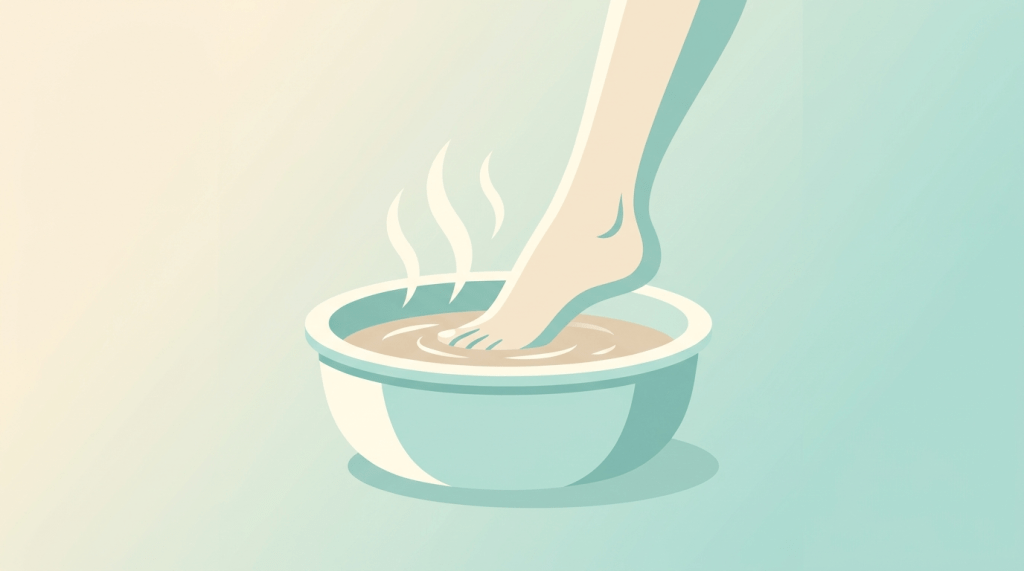
A warm foot soak is an excellent starting point. Soaking your feet for 10-15 minutes helps to hydrate the skin and make it more pliable. You can add a few drops of mild soap or Epsom salts to the water, though plain warm water is often sufficient. Avoid excessively hot water, as it can further dry out the skin.
Key Ingredients for Softening and Healing
The right topical products are essential for softening and treating cracked heels. Look for ingredients known for their keratolytic (skin-softening) and humectant (moisture-attracting) properties:
- Urea: A powerful humectant and keratolytic agent. In concentrations of 20-40%, urea effectively breaks down dead skin cells and deeply moisturizes.
- Lactic Acid and Salicylic Acid: These alpha and beta hydroxy acids gently exfoliate and help shed dead skin, promoting smoother texture.
- Hyaluronic Acid: A potent humectant that can hold significant amounts of moisture, drawing it into the skin.
- Emollients and Occlusives: Ingredients like shea butter, lanolin, petrolatum, and ceramides create a protective barrier on the skin, sealing in moisture and preventing further dryness.
For a highly effective, podiatrist-informed solution, consider the Jaws Podiatry 2-piece Callus Kit. It includes a powerful 40% urea callus cream specifically formulated to deeply penetrate and soften even the toughest calluses and cracked heels. The high concentration of urea works to gently dissolve hardened skin while providing intense hydration, making it an ideal choice for preparing your heels for exfoliation.
The Exfoliation Process: Removing Hardened Skin
Once the skin on your heels has been adequately softened, the next step is to gently remove the dead, cracked layers. This process requires care to avoid over-exfoliation, which can lead to irritation or injury.
Manual Exfoliation Tools
Manual tools offer precise control for removing dead skin. Always use them on softened skin, ideally after a foot soak or after applying a softening cream for a few minutes.
- Foot Files: Manual foot files come in various grits. Start with a coarser side for thicker areas and finish with a finer side for smoothing.
- Pumice Stones: Natural volcanic stones that can be used wet to gently buff away dead skin.
- Callus Shavers: These tools use a blade to shave off thick calluses. They should be used with extreme caution and are generally not recommended for individuals with diabetes, neuropathy, or poor circulation due due to the high risk of injury.
The Jaws Podiatry 2-piece Callus Kit provides a surgical-grade stainless steel file, designed for safe and effective removal of softened dead skin. Its ergonomic design and precise filing surface help you achieve smooth results without over-filing, when used correctly.
A quality tool helps here — the Jaws Podiatry natural lava pumice stone is a gentle, podiatrist-aligned choice for regular exfoliation.
Electric Callus Removers
Electric callus removers https://amzn.to/3PI2iHb are motorized devices with abrasive rollers that spin to buff away dead skin. They can be convenient and effective but require careful use to prevent excessive friction or removal of too much skin. Always follow the manufacturer’s instructions and avoid pressing too hard or staying in one spot for too long.
Chemical Exfoliants (Creams)
While many softening creams (like those with urea) also have exfoliating properties, some products are designed primarily for chemical exfoliation,


Leave a Reply