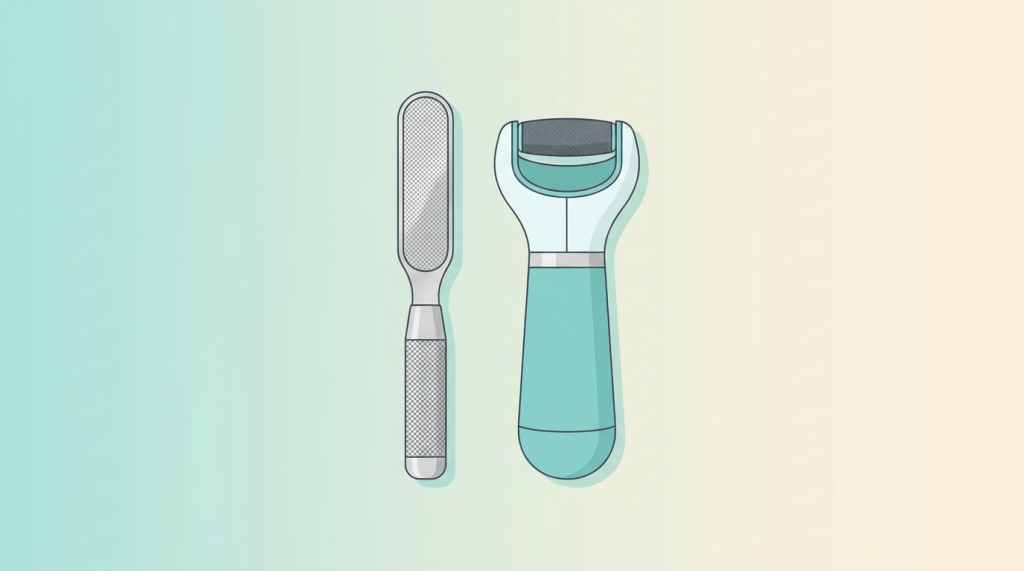
When deciding between a stainless steel callus file vs electric foot file, the choice largely depends on your specific needs for callus removal, desired level of control, and convenience. A stainless steel callus file offers superior precision and control, making it ideal for targeted removal of thick, stubborn calluses, while an electric foot file provides speed and convenience for general smoothing and maintenance, albeit with less tactile feedback and control.
Understanding Calluses and Why We Remove Them
Calluses are thickened, hardened areas of skin that develop in response to repeated friction or pressure. They commonly form on the soles of the feet, especially on the heels, balls of the feet, and toes. While calluses serve as a protective mechanism, excessive build-up can lead to discomfort, pain, cracking (fissures), and can even alter foot mechanics, potentially impacting gait and increasing the risk of more serious foot problems.
Removing calluses not only improves the aesthetic appearance of your feet but, more importantly, enhances comfort, reduces pain, and helps prevent complications like deep cracks that can become entry points for infection. Regular foot care, including appropriate callus removal, is a crucial component of overall foot health.
The Stainless Steel Callus File: Precision and Control
The stainless steel callus file is a classic and highly effective tool for managing hardened skin. Often favored by podiatrists for its precision and durability, it offers a hands-on approach to callus removal.
What is a Stainless Steel Callus File?
A stainless steel callus file typically consists of a sturdy handle and an abrasive surface made of high-grade stainless steel. The abrasive surface features tiny, sharp filing edges or graters designed to gently yet effectively shave away layers of dead, hardened skin. Many quality files, like the one included in the Jaws Podiatry 2-piece Callus Kit, are surgical-grade, ensuring both efficacy and hygiene.
It works by manually abrading the callus with controlled strokes, allowing the user to feel the texture of the skin and gauge the amount of pressure needed. This tactile feedback is invaluable for preventing over-filing.
Advantages of Stainless Steel Callus Files
- Precision and Control: The primary benefit. You have direct control over the pressure and angle, allowing for targeted removal of specific callus areas without affecting surrounding healthy skin.
- Durability and Hygiene: Stainless steel is robust, rust-resistant, and easy to clean and sanitize, making it a hygienic choice for long-term use.
- Cost-Effective: While the initial investment might be similar to some electric files, a good quality stainless steel file is a one-time purchase that lasts for years, with no need for replacement heads or batteries.
- Portability: Compact, lightweight, and requires no power source, making it ideal for travel.
- Reduced Risk of Over-Filing (with proper technique): The manual nature provides immediate feedback, allowing you to stop when the skin feels smooth, minimizing the risk of removing too much skin.
Disadvantages of Stainless Steel Callus Files
- Requires Manual Effort: Can be tiring for those with extensive calluses or limited hand strength.
- Time-Consuming: May take longer to treat large areas compared to an electric file.
- Requires Technique: Proper technique is essential to avoid scraping or injuring the skin.
Best Use Cases for Stainless Steel Callus Files
Stainless steel files excel in situations requiring detailed work and significant callus reduction. They are particularly effective for:
- Targeted removal of thick, stubborn calluses that have built up over time.
- Detail work around toes, edges of heels, or specific pressure points.
- Individuals who prefer a hands-on approach and value precision.
- Those who want a durable, long-lasting tool that is easy to keep clean.
For optimal results, consider pairing a surgical-grade stainless steel file with a professional-strength urea cream, such as the Jaws Podiatry 2-piece Callus Kit . The 40% urea cream helps to soften and exfoliate tough skin, making the filing process more efficient and effective.
The Electric Foot File: Speed and Convenience
Electric foot files have gained popularity for their promise of effortless callus removal. They offer a convenient, automated approach to smoothing rough skin.
What is an Electric Foot File?
An electric foot file is a battery-operated (or rechargeable) device equipped with a rotating abrasive head, typically a roller or disc, made from materials like micro-mineral particles or diamond crystals. The motor spins the abrasive head at various speeds, mechanically buffing away dead skin cells.
These devices are designed for ease of use, requiring minimal manual effort from the user beyond guiding the tool over the affected areas. Many models come with different abrasive heads for varying degrees of exfoliation.
Advantages of Electric Foot Files
- Speed and Efficiency: Can quickly cover larger areas of the foot, making the process faster than manual filing.
- Less Manual Effort: The motor does the work, reducing strain on hands and wrists, which is beneficial for individuals with dexterity issues or arthritis.
- Ergonomic Designs: Often designed with comfortable grips and shapes that make them easy to hold and maneuver.
- Suitable for Larger Areas: Ideal for general smoothing of rough heels and broader areas of callused skin.
Disadvantages of Electric Foot Files
- Less Control and Higher Risk of Over-Filing: The automated nature means less tactile feedback, making it easier to accidentally remove too much skin, especially if pressed too hard or held in one spot for too long.
- Battery Dependence: Requires charging or replacement batteries, and performance can diminish as the battery runs low.
- Noise: Can be noisy during operation.
- Higher Initial Cost and Ongoing Expenses: Generally more expensive than manual files, and requires periodic replacement of abrasive heads, which adds to the long-term cost.
- Can Generate Heat: Friction from the rotating head can generate heat, which might be uncomfortable or even harmful if used improperly.
Best Use Cases for Electric Foot Files
Electric foot files are excellent for quick maintenance and general smoothing. They are best suited for:
- Regular upkeep of mild to moderate calluses and rough patches.
- Individuals seeking a quick and effortless way to achieve smoother feet.
- Those with limited hand strength or dexterity who find manual filing challenging.
- As a complementary tool for maintaining smoothness after a more intensive manual removal session.
When selecting an electric foot file https://amzn.to/3PI2iHb, look for models with variable speed settings and safety features that prevent excessive pressure.
Safety First: Important Considerations for Both Tools
Regardless of whether you choose a stainless steel callus file or an electric foot file, safety should always be your top priority to prevent injury, infection, or further complications.
Important Safety Note: Individuals with diabetes, neuropathy, poor circulation, or other underlying health conditions affecting foot sensitivity or healing should consult a podiatrist before using any callus removal tool. DIY foot care can pose significant risks for these individuals, as they may not feel pain or recognize injury, leading to serious complications.
- Always Use on Dry Feet: Calluses are best filed when the skin is dry. Wet skin can be deceptive, leading to over-filing and potential injury.
- Start Gently: Begin with light pressure and short strokes. It’s always better to remove less skin and repeat the process than to remove too much at once.
- Stop if Pain or Discomfort: If you feel any pain, burning, or discomfort, stop immediately.
- Moisturize Afterward: After filing, always apply a rich, hydrating foot cream, preferably one containing urea, to keep the skin soft and prevent rapid callus recurrence. The 40% urea cream from the Jaws Podiatry 2-piece Callus Kit is an excellent choice for deep hydration and exfoliation.
- Hygiene is Key: Clean your tools thoroughly after each use. Stainless steel files can be washed with soap and water and disinfected. Electric file heads should be cleaned according to manufacturer instructions and replaced regularly.
- When to See a Podiatrist: If you have persistently painful calluses, deep cracks, signs of infection (redness, swelling, pus), or if you are unable to manage your calluses effectively with home tools, consult a podiatrist. They can safely remove calluses with specialized instruments and address any underlying causes.
Stainless Steel Callus File vs Electric Foot File: A Direct Comparison
To help you make an informed decision, here’s a direct comparison of the key features of both tools:
<table style="width:1
 HealthyStridesHQ
Leave a comment