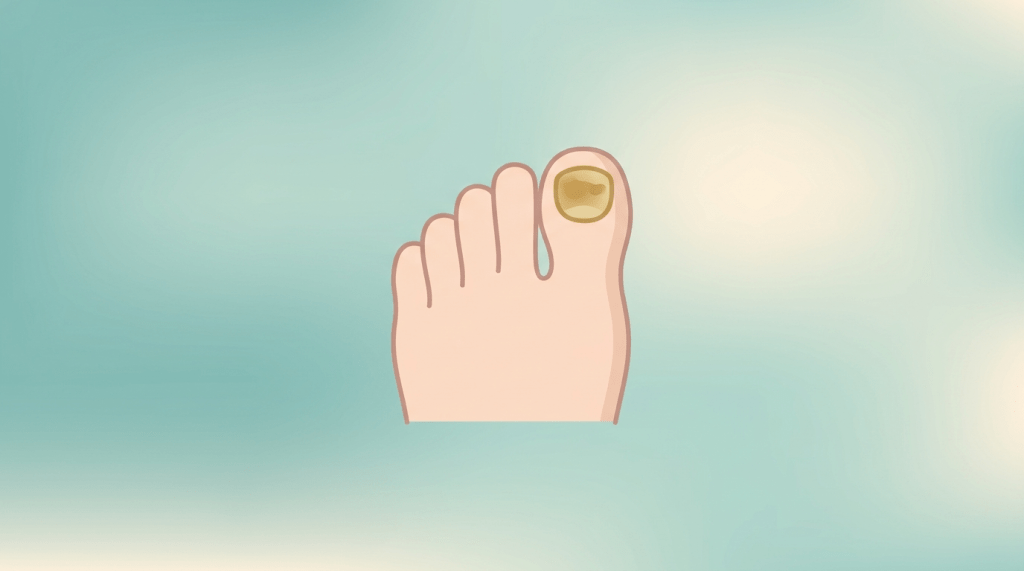
Recognizing the signs your toenail fungus is getting worse is crucial for effective treatment and preventing further complications. As a fungal infection progresses, you’ll typically notice more pronounced discoloration, thickening, and brittleness of the nail, often accompanied by pain, a foul odor, or even the nail lifting from its bed. Addressing these escalating symptoms promptly can prevent the infection from spreading or becoming more difficult to treat.
Understanding the Progression of Toenail Fungus
Toenail fungus, medically known as onychomycosis, often starts subtly. Initially, it might appear as a small white or yellow spot under the tip of your nail. Many people overlook these early indicators, allowing the fungus to establish itself and worsen over time. Understanding what these initial signs look like can help you differentiate between a new infection and one that is actively deteriorating.
Early Indicators of Toenail Fungus
- Mild Discoloration: A slight yellow or white streak under the nail.
- Subtle Thickening: The nail may feel slightly harder or less flexible than usual.
- Minor Brittleness: The nail might chip or break a little more easily.
If you notice these initial signs, it’s an ideal time to consider intervention. Topical treatments designed to enhance nail appearance and combat early-stage fungus, like the Jaws Podiatry Nail Appearance Enhancer, which contains undecylenic acid and tea tree oil, can be very effective in these stages.
Obvious Signs Your Toenail Fungus is Getting Worse
When toenail fungus progresses, the symptoms become more pronounced and can significantly impact the health and appearance of your nails. Here are the key indicators that your toenail fungus is getting worse:
Increased Discoloration and Spread
One of the most noticeable signs of worsening fungus is a change in nail color and the extent of the discoloration. What might have started as a small yellow spot can spread to cover the entire nail, or even multiple nails.
- Darkening Hues: The nail may turn darker shades of yellow, brown, or even black. This darkening often indicates a more entrenched infection.
- White Spots or Streaks: While initial signs, if these become more numerous, larger, or spread across the nail surface, it suggests progression.
- Greenish Tint: A greenish discoloration can sometimes indicate a secondary bacterial infection, which often accompanies severe fungal infections.
- Spread to Other Nails: If the fungus begins to appear on previously healthy nails, it’s a clear sign the infection is worsening and spreading.
Significant Thickening and Brittleness
As the fungus proliferates, it causes the nail plate to become distorted and overgrown. This leads to substantial changes in texture and thickness.
- Excessive Thickening: The nail becomes noticeably thicker, often resembling a claw or horn. This makes it difficult to trim with regular nail clippers and can cause pressure and pain when wearing shoes.
- Crumbly or Brittle Texture: Despite its thickness, the nail can become very brittle and crumbly, especially at the edges. Portions of the nail may break off easily, leaving a rough, uneven surface.
- Flaking and Scaling: The surface of the nail may become scaly or flaky, shedding small pieces of infected nail material.
Pain, Discomfort, and Odor
While early-stage fungus is often painless, worsening infections can cause significant discomfort and other unpleasant symptoms.
- Pain and Tenderness: The thickened, distorted nail can press against the nail bed or surrounding skin, causing pain, especially when walking or wearing shoes.
- Pressure Sensation: A feeling of constant pressure under the nail due to fungal debris buildup.
- Foul Odor: As the fungus consumes keratin and other nail material, it can produce a distinct, unpleasant odor emanating from the infected nail. This smell often indicates a more advanced infection.
Lifting of the Nail (Onycholysis)
Onycholysis is the separation of the nail plate from the nail bed. This is a common and concerning sign of worsening toenail fungus.
- Visible Gap: A clear space appears between the nail and the skin underneath. This gap often appears white or yellowish due to fungal debris accumulation.
- Increased Risk of Infection: The separated area provides an ideal environment for more fungus and bacteria to thrive, making the infection harder to treat and increasing the risk of secondary infections.
Changes in Nail Shape and Texture
Beyond thickening, the fungus can severely alter the overall structure and appearance of the nail.
- Distorted Shape: The nail may become misshapen, twisted, or ridged.
- Rough or Uneven Surface: The smooth surface of a healthy nail is replaced by pits, grooves, or a generally rough texture.
- Subungual Hyperkeratosis: A buildup of keratin and fungal debris under the nail, which further lifts and distorts the nail plate.
Spread to Surrounding Skin (Athlete’s Foot)
Toenail fungus and athlete’s foot (tinea pedis) are both caused by dermatophytes, the same type of fungi. It’s common for one to lead to the other.
- Redness and Itching: The skin around the infected nail, between the toes, or on the sole of the foot may become red, itchy, and inflamed.
- Scaling and Peeling: The skin may start to peel, flake, or develop small blisters.
- Cracking: In severe cases, the skin can crack, leading to pain and potential entry points for bacterial infections.
Why Toenail Fungus Worsens and What to Do
Several factors contribute to the progression of toenail fungus. Understanding these can help you take proactive steps.
Lack of Treatment or Ineffective Treatment
The most common reason fungus worsens is simply leaving it untreated or using treatments that aren’t potent enough for the stage of infection. Fungi thrive in warm, moist environments and will continue to grow if not actively combated.
Underlying Health Conditions
Certain health conditions can make individuals more susceptible to severe or recurring fungal infections.
- Diabetes: People with diabetes are at a higher risk due to compromised circulation and immune function. Poorly controlled blood sugar can also create an environment conducive to fungal growth.
- Weakened Immune System: Conditions like HIV/AIDS, or medications that suppress the immune system (e.g., chemotherapy, corticosteroids) can make it harder for the body to fight off infections.
- Circulation Problems: Poor blood flow to the feet can impair the body’s ability to heal and fight off infections, including fungal ones.
Safety Note: If you have diabetes, neuropathy, or circulation problems, it is crucial to consult a podiatrist before attempting any DIY foot care or topical treatments. Self-treating could lead to serious complications.
Environmental Factors
Your daily habits and environment play a significant role in fungal progression.
- Moist Environments: Prolonged exposure to dampness (e.g., sweaty shoes, public showers, swimming pools) provides an ideal breeding ground for fungi.
- Tight Footwear: Shoes that are too tight or made of non-breathable materials trap moisture and create pressure on the nails, which can worsen the infection.
- Poor Foot Hygiene: Not regularly washing and thoroughly drying feet, especially between toes, contributes to fungal growth.
The Importance of Early Intervention
Catching toenail fungus in its early stages is key to preventing it from getting worse and makes treatment significantly easier. For mild discoloration or initial signs of fungal activity, a high-quality topical solution can make a difference. The Jaws Podiatry Nail Appearance Enhancer is formulated by podiatrists with undecylenic acid and tea tree oil to address early-stage fungus and improve overall nail appearance, helping to prevent progression.
When to Seek Professional Podiatric Care
While some early-stage fungal infections can be managed at home, certain signs indicate that it’s time to consult a podiatrist. A professional can accurately diagnose the extent of the infection and recommend the most effective course of action.
Consult a Podiatrist If You Experience:
- Persistent Pain or Discomfort: If the fungus is causing ongoing pain, making it difficult to walk or wear shoes comfortably.
- Rapid Worsening or Spread: If you observe a quick progression of symptoms or the infection spreading to multiple nails or the surrounding skin.
- Compromised Health Conditions: As mentioned, individuals with diabetes, neuropathy, circulation problems, or a weakened immune system should always seek professional care for any foot concerns, including toenail fungus.
- Failure of At-Home Treatments: If you’ve consistently used over-the-counter topical treatments for several weeks or months without significant improvement.
- Severe Nail Distortion or Lifting: If the nail is severely thickened, discolored, misshapen, or has lifted significantly from the nail bed.
A podiatrist can offer various treatments, including prescription oral antifungal medications, medicated nail lacquers, surgical debridement (removal of diseased nail), or laser therapy, depending on the severity of the infection.
At-Home Management and Prevention Strategies
Even if you’re seeking professional help, maintaining good foot hygiene and adopting preventive measures at home is essential to support treatment and prevent recurrence.
Proper Nail Hygiene
- Trim Nails Regularly: Keep toenails trimmed straight across and not too short. Use clean, sharp clippers. For thick, fungal nails, consider investing in sturdy nail nippers.
- Don’t Share Tools: Avoid sharing nail clippers, files, or other foot care instruments. Sanitize your tools regularly.
- Keep Feet Clean and Dry: Wash your feet daily with soap and water, and dry them thoroughly, especially between the toes. Moisture is a fungus’s best friend.
Footwear and Sock Choices
- Wear Breathable Shoes: Opt for shoes made of natural materials like leather or canvas, which allow air circulation. Avoid tight-fitting shoes that trap moisture.
- Change Socks Daily: Wear clean, dry, moisture-wicking socks made from materials like cotton or synthetic blends that draw sweat away from the skin.
- Alternate Shoes: Give your shoes at least 24 hours to air out and dry completely between wears.
- Wear Sandals in Public Places: Protect your feet from communal fungi by wearing shower sandals in public showers, locker rooms, and swimming pool areas.
Topical Treatments and Nail Care
For ongoing maintenance or early-stage concerns, topical treatments can be beneficial. The Jaws Podiatry Nail Appearance Enhancer can be used to improve the appearance of discolored nails and support nail health.
Addressing Co-occurring Conditions (Calluses/Cracked Heels)
Sometimes, fungal infections are accompanied by other foot issues like calluses or cracked heels, which can exacerbate discomfort or indicate underlying skin health issues. Addressing these can improve overall foot health. For managing calluses and cracked heels, the


Leave a Reply