Shop Jaws Podiatry on Amazon
Podiatrist-formulated foot-care products for fungus, calluses, and cracked heels.
Visit the Jaws Podiatry Store →As an Amazon Associate we earn from qualifying purchases.
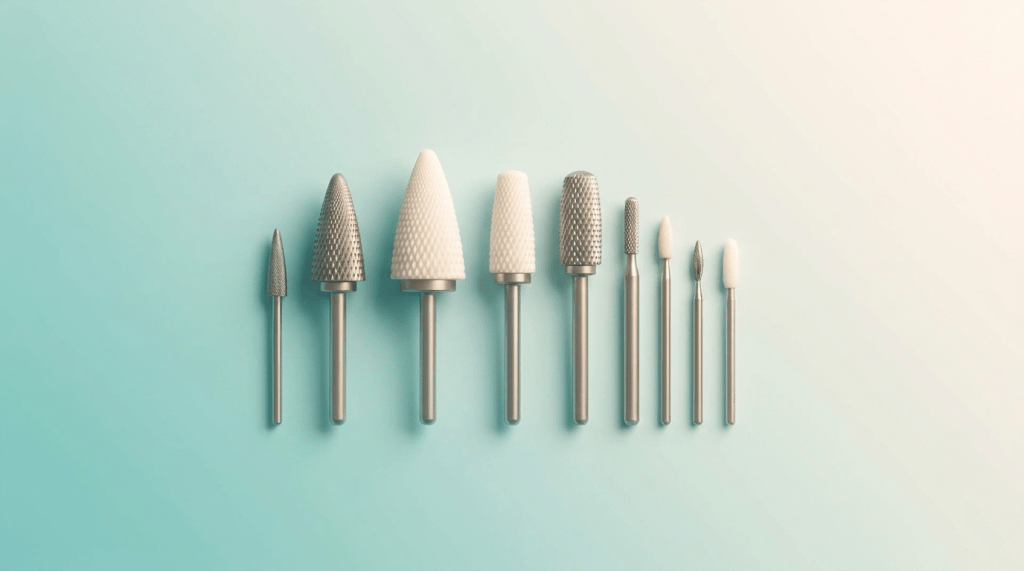
For advanced home foot-care users tackling challenging thick toenails, the best nail drill bits for thick toenails are typically made from durable materials like carbide or diamond, offering various grits and shapes for efficient and safe reduction. These specialized bits allow for precise thinning and shaping, helping to manage challenging nail conditions more effectively than traditional clippers alone.
What to Look For in Nail Drill Bits for Thick Toenails
Selecting the right nail drill bits is crucial for effectively and safely managing thick toenails. Here’s what advanced home users should consider:
- Material:
- Carbide: Known for their strength and durability, carbide bits are excellent for quickly reducing bulk from very thick nails. They often feature fluted cuts (cross-cut, fine, coarse) that efficiently shave away nail material. Look for high-quality tungsten carbide.
- Diamond: These bits are coated with diamond particles, making them incredibly hard and long-lasting. Diamond bits are versatile, ideal for shaping, smoothing, and precise work, and they generate less heat than carbide. They come in various grits, from coarse for initial reduction to fine for finishing.
- Ceramic: A newer option, ceramic bits are known for generating less heat during use, making them comfortable for sensitive nails. They are durable and effective for reducing thickness and shaping.
- Grit/Coarseness:
- Coarse: Essential for initial bulk reduction of extremely thick nails. These bits remove material quickly but require careful handling to avoid over-filing.
- Medium: Good for general shaping, refining the nail plate after coarse reduction, and maintaining thickness.
- Fine: Best for smoothing the nail surface, refining edges, and working on more delicate areas.
- Shape and Size: The shape of the bit dictates its primary function and accessibility to different nail areas.
- Barrel/Cylinder: Excellent for reducing the overall thickness of the nail plate.
- Cone/Tapered: Versatile for reducing thickness, shaping the nail, and reaching sidewalls.
- Flame/Teardrop: Ideal for precision work, cleaning around the cuticle area (with extreme caution), and refining the nail edges.
- Ball/Round: Useful for cleaning up the nail plate, smoothing, or addressing specific spots.
- Under-Nail Cleaner (UNC): Thin, pointed bits designed to clean debris from underneath the free edge of the nail.
- Shank Size: Most professional and high-quality home-use nail drills use a standard 3/32 inch (2.35mm) shank size. Ensure your bits are compatible with your drill.
- Heat Generation: Aggressive filing, especially with carbide bits, can generate heat. Bits designed to minimize heat (like some ceramic or diamond bits) or proper technique (intermittent contact, lower RPMs) are vital to prevent discomfort or injury.
- Durability & Sterilization: Bits should be durable enough to withstand repeated use on tough toenails and capable of being properly cleaned and sterilized to prevent infections. Stainless steel or high-quality ceramic/carbide materials are typically autoclavable or can be disinfected with appropriate solutions.
Shop Jaws Podiatry on Amazon
Podiatrist-formulated foot-care products for fungus, calluses, and cracked heels.
Visit the Jaws Podiatry Store →As an Amazon Associate we earn from qualifying purchases.
Top Picks: Best Nail Drill Bits for Thick Toenails
Choosing the right drill bit depends on the specific task, the nail’s condition, and your comfort level. Here are some top categories of nail drill bits ideal for managing thick toenails:
Carbide Barrel or Cone Bits: For Rapid Bulk Reduction
Carbide bits, particularly in barrel or cone shapes, are the workhorses for initial reduction of significantly thick toenails. Their fluted designs efficiently shave off large amounts of nail material, making them indispensable for tackling hypertrophic (overgrown) or dystrophic (abnormally developed) nails. These bits come in various grits, with coarse options being most effective for rapid material removal.
- Best For: Quickly reducing extreme thickness, debriding severely overgrown nails, and preparing the nail for finer shaping.
- Pros: Extremely efficient at removing bulk, durable, long-lasting.
- Cons: Can generate significant heat if not used correctly, requires a light touch and intermittent contact to prevent discomfort or injury, can be aggressive if not handled carefully.
For effective and quick bulk reduction of very thick toenails, consider a high-quality cross-cut carbide barrel bit. Find suitable carbide barrel bits on Amazon.
Diamond Flame or Ball Bits: For Precision and Smoothing
Diamond bits are exceptionally versatile due to their range of grits and shapes. Flame or ball-shaped diamond bits, especially in medium or fine grits, are excellent for precision work, refining the nail surface, and smoothing rough edges left by coarser bits. Their gentle abrasive action makes them suitable for working closer to the nail bed and surrounding skin, provided extreme caution is exercised.
- Best For: Smoothing the nail plate, refining shape, addressing minor imperfections, cleaning sidewalls, and preparing the nail for polishing.
- Pros: Less heat generation compared to carbide, long-lasting, precise, available in a wide range of grits for various finishing levels.
- Cons: Slower at bulk reduction than carbide bits, can wear down over time if used aggressively on very hard nails.
For precise shaping and smoothing of thick toenails, a set of diamond flame or ball bits is highly recommended. Explore diamond bit sets on Amazon.
Ceramic Cone Bits: For Gentle yet Effective Reduction
Ceramic bits are gaining popularity for their unique properties. They combine the durability of carbide with significantly reduced heat generation. Cone-shaped ceramic bits are particularly effective for reducing nail thickness while offering a smoother, more comfortable experience. Their heat-dissipating properties make them a good choice for users sensitive to heat or those new to using aggressive bits.
- Best For: Reducing moderate to severe nail thickness with less heat, suitable for individuals seeking a more comfortable filing experience.
- Pros: Excellent heat dissipation, durable, effective for bulk reduction and shaping, smoother operation.
- Cons: May not be as aggressive as the coarsest carbide bits for extremely thick nails, can be more brittle than metal bits if dropped.
If you prioritize comfort and heat reduction while managing thick toenails, a ceramic cone bit is an excellent choice. Discover ceramic cone bits on Amazon.
Sanding Bands/Caps: For Finishing Touches and Hygiene
Sanding bands or caps are abrasive sleeves typically placed over a rubber mandrel bit. They are disposable, making them a highly hygienic option for finishing and light reduction. Available in various grits, they are excellent for smoothing the nail surface, buffing, and providing a clean finish after the main reduction work. Because they are single-use, they eliminate cross-contamination concerns between treatments.
- Best For: Final smoothing, buffing, light reduction, and maintaining hygiene due to disposability.
- Pros: Hygienic (disposable), available in multiple grits, gentle on the nail if used correctly, inexpensive.
- Cons: Less durable than permanent bits, not suitable for heavy bulk reduction, require frequent replacement.
For hygienic finishing and light shaping, always have a supply of sanding bands on hand. Purchase sanding bands and mandrels on Amazon.
Under-Nail Cleaner Bits: For Debris Removal and Nail Bed Health
While not for bulk reduction of the nail plate itself, under-nail cleaner (UNC) bits are indispensable for maintaining the health and appearance of thick toenails. These thin, pointed bits are designed to gently clear debris, dirt, and dead skin from underneath the free edge of the nail. This is particularly important for thick nails, which can harbor more debris and potentially contribute to fungal issues.
- Best For: Cleaning underneath the free edge of the nail, removing trapped debris, and maintaining overall nail hygiene.
- Pros: Essential for comprehensive foot care, helps prevent accumulation of debris, aids in identifying and managing early nail issues.
- Cons: Requires extreme caution and a very light touch to avoid injuring the nail bed, not for use on the nail plate itself.
To ensure thorough hygiene for your thick toenails, include an under-nail cleaner bit in your kit. Find under-nail cleaner bits on Amazon.
| Best For | Key Feature | Watch-Out |
|---|---|---|
| Rapid Bulk Reduction | Aggressive, efficient material removal | High heat generation, risk of gouging, requires careful technique |
| Precision Shaping & Smoothing | Less heat, versatile grits, fine detail work | Slower for heavy bulk removal, can wear over time |
| Gentle Thick Nail Reduction | Excellent heat dissipation, smooth operation | Potentially less aggressive than coarse carbide, can be brittle |
| Finishing & Hygiene | Disposable, prevents cross-contamination, gentle buffing | Not for heavy bulk reduction, requires frequent replacement |
| Under-Nail Debris Removal | Accesses tight spaces under the nail | Extreme caution needed to avoid injuring the nail bed |
How to Use Nail Drill Bits Safely and Care for Your Tools
Using nail drill bits, especially for thick toenails, requires a careful and informed approach to ensure safety and effectiveness. HealthyStridesHQ always emphasizes professional guidance for complex conditions.
Important Safety Note: Individuals with diabetes, neuropathy, poor circulation, or other underlying health conditions that affect foot health should always consult a podiatrist before attempting any DIY foot care involving sharp or abrasive tools like nail drills. Improper use can lead to serious complications.
- Preparation:
- Soak Feet: While not always necessary for very thick nails, soaking feet in warm water for 10-15 minutes can soften the nails slightly, making them easier to file. Ensure nails are completely dry before drilling to prevent tool slippage.
- Clean Nails: Thoroughly clean nails to remove any dirt or debris.
- Gather Tools: Have your drill, chosen bits, a small brush for dust, and disinfectant ready.
- Lighting and Positioning: Work in a well-lit area where you can clearly see your feet. Position yourself comfortably to maintain steady control.
- Technique:
- Start Slow: Begin with a low RPM (revolutions per minute) setting on your drill and gradually increase as needed. High speeds generate more heat and can be harder to control.
- Light Touch: Apply minimal pressure. Let the bit do the work. Excessive pressure can cause friction, heat, and potential injury to the nail or nail bed.
- Intermittent Contact: Do not hold the bit in one spot for too long. Use a sweeping, circular, or back-and-forth motion, lifting the bit frequently to prevent heat buildup and check your progress.
- Angle and Direction: Hold the drill bit parallel to the nail surface for overall reduction. For edges or specific areas, adjust the angle carefully. Always file in one direction rather than back and forth.
- Gradual Reduction: Thin the nail gradually. It’s better to make several
Related Guides
 HealthyStridesHQ
Leave a comment