Shop Jaws Podiatry on Amazon
Podiatrist-formulated foot-care products for fungus, calluses, and cracked heels.
Visit the Jaws Podiatry Store →As an Amazon Associate we earn from qualifying purchases.
Choosing the best podiatry tool kits for home use is crucial for maintaining healthy feet and addressing common concerns like calluses, thick nails, and ingrown toenails safely and effectively. The top picks in this category combine high-quality, durable materials with ergonomic designs, ensuring precision and hygiene for the home foot-care enthusiast.
What to Look For in Home Podiatry Tool Kits
- Material Quality: Opt for tools made from surgical-grade stainless steel. This material is durable, rust-resistant, and easy to sterilize, which is vital for preventing infections. Avoid kits with plastic or low-quality metal tools that can break or dull quickly.
- Ergonomics and Grip: Tools should fit comfortably in your hand, offering a non-slip grip. Good ergonomics reduce the risk of accidental slips and make precise work easier, especially when dealing with delicate areas or thick nails.
- Kit Contents and Versatility: A comprehensive kit should include a variety of tools to address different foot care needs. Look for:
- Nail Clippers/Nippers: Heavy-duty, sharp clippers for thick toenails, and smaller, precise clippers for general nail care.
- Nail Files: Both traditional emery boards and metal files, often including an ingrown toenail file.
- Callus Removers: Manual files, pumice stones, or stainless steel foot files.
- Cuticle Pushers and Cleaners: For maintaining neat cuticles and cleaning under the nail.
- Ingrown Toenail Lifters/Correctors: Specific tools designed to gently lift and guide ingrown nails.
- Safety Features: Some tools may come with protective caps for sharp edges or built-in safety mechanisms. For those with specific health conditions (see safety note below), look for kits designed with extra safety in mind, such as blunter tips or less aggressive abrasive surfaces.
- Ease of Sterilization: All tools should be easy to clean and sterilize after each use to prevent the spread of bacteria and fungi. Alcohol wipes or dedicated sterilizing solutions are recommended.
- Storage and Portability: A good kit will come with a sturdy, organized case, making it easy to store tools hygienically and take them on the go if needed.
- Targeted Solutions: Consider your primary foot care needs. Do you mostly deal with thick nails, stubborn calluses, or recurring ingrowns? Some kits specialize in one area more than others.
Top Picks for Home Podiatry Tool Kits
1. The Essential Nail Care Kit
Best For: Routine nail trimming, shaping, and basic cuticle maintenance for healthy feet. Ideal for preventing common issues before they become problematic.
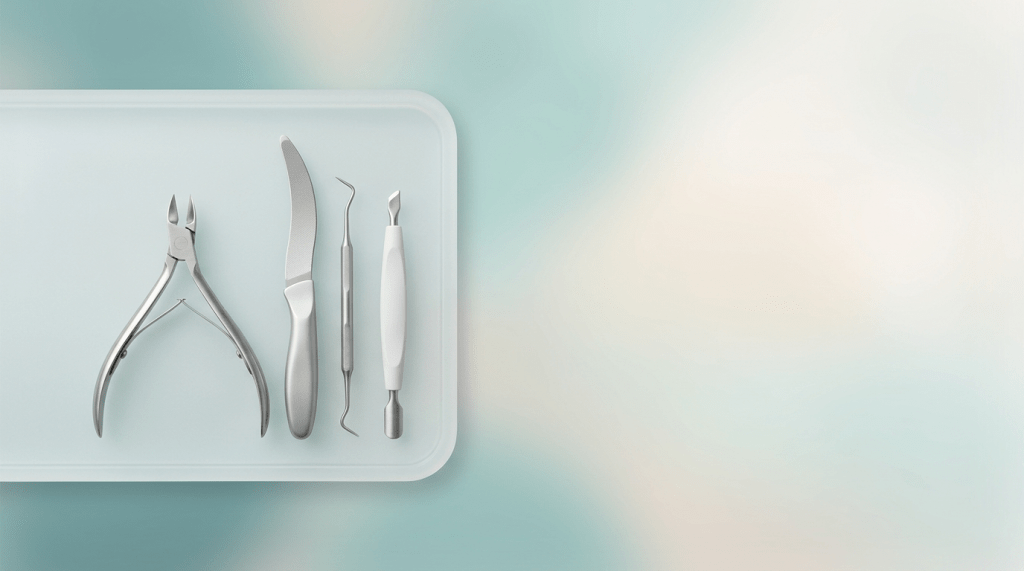
This foundational kit typically includes a robust pair of toenail clippers, a smaller pair of fingernail clippers, a nail file, and a cuticle pusher/trimmer. The key here is sharpness and durability, allowing for clean cuts without tearing or splitting nails. Look for clippers with a wide jaw opening if you have thicker toenails. For a reliable and durable option for everyday nail care, we recommend this essential nail care kit available on Amazon.
- Pros: Excellent for general foot hygiene, prevents common nail issues, easy to use for maintenance.
- Cons: May not be sufficient for severe calluses or deeply ingrown nails, limited specialized tools.
2. Advanced Callus & Hard Skin Removal Kit
Best For: Effectively tackling stubborn calluses, rough patches, and cracked heels, restoring skin smoothness.
This type of kit goes beyond a simple pumice stone, often featuring a stainless steel foot file or scraper, sometimes paired with a specialized cream. The goal is to gently and safely reduce hardened skin without causing irritation. For a powerful combination that targets hard skin and calluses, consider the Jaws Podiatry 40% Urea Callus Cream paired with a stainless steel file kit available directly from Jaws Podiatry. The high concentration of urea helps to soften tough skin, making it easier to remove with the accompanying file.
- Pros: Highly effective for significant calluses, can dramatically improve foot skin texture, includes targeted softening agents.
- Cons: Requires careful use to avoid over-filing or skin irritation, not suitable for very sensitive skin without professional guidance.
Safety Note: Individuals with diabetes, neuropathy, poor circulation, or any open wounds on their feet should consult a podiatrist before using sharp or abrasive callus removal tools. Improper use can lead to serious complications.
3. Ingrown Toenail Prevention & Gentle Care Kit
Best For: Managing mild ingrown toenails, preventing recurrence, and providing relief from discomfort.
These specialized kits often include a range of precision tools like an ingrown toenail lifter, a specialized file for gently shaping the nail edge, and sometimes a cuticle nipper for careful trimming around the affected area. Some kits may also include antiseptic solutions or protective caps. The emphasis is on gentle manipulation to encourage the nail to grow correctly. For careful management of ingrown nails, we suggest this precision ingrown toenail kit found on Amazon.
- Pros: Provides targeted relief and prevention for ingrown nails, precise tools for delicate work.
- Cons: Not a substitute for professional treatment for severe or infected ingrown toenails, requires a delicate touch.
4. Diabetic-Friendly & Sensitive Foot Care Kit
Best For: Individuals with diabetes, neuropathy, sensitive skin, or those who require extra caution with foot care.
Safety is paramount in these kits. Tools are often designed with rounded edges, blunt tips, and less aggressive abrasive surfaces to minimize the risk of injury. Clippers may have spring-action for easier use, and files are typically gentle. The focus is on maintaining foot health without causing cuts or damage that could lead to serious complications. For safe and gentle foot care, this diabetic-friendly kit is a highly recommended option on Amazon.
- Pros: Maximizes safety for vulnerable feet, designed to prevent injury, encourages regular monitoring.
- Cons: May be less effective for very thick nails or stubborn calluses due to gentle design, often requires frequent, careful use.
Important: If you have diabetes, neuropathy, or poor circulation, any foot care, especially involving sharp or abrasive tools, should be discussed with your podiatrist or healthcare provider first. Even minor injuries can become severe for individuals with these conditions.
5. Electric Foot File & Callus Remover Kit
Best For: Effortless removal of dry, rough skin and calluses with minimal manual effort, offering a smooth finish.
These kits typically feature a battery-operated device with rotating abrasive rollers. They come with various grit levels to tackle different degrees of roughness, from light exfoliation to stubborn callus removal. Electric files are popular for their convenience and ability to provide a polished feel. Many kits also include additional roller heads and a cleaning brush. For a convenient and effective way to smooth your feet, consider this popular electric foot file kit available through Amazon.
- Pros: Less physical exertion, often provides a very smooth finish, can be quicker than manual filing.
- Cons: Requires batteries/charging, can be noisy, risk of over-filing if not used carefully, not suitable for very wet skin.
| Best For | Key Feature | Watch-Out |
|---|---|---|
| Routine Nail Care | Sharp, durable clippers & files | Limited for severe issues |
| Stubborn Calluses & Cracked Heels | Strong abrasive file + softening cream | Risk of over-filing; consult podiatrist for specific conditions |
| Mild Ingrown Toenails | Precision lifters & files | Not for severe or infected ingrowns |
| Diabetic & Sensitive Feet | Rounded, gentle, safety-focused tools | Less aggressive for tough issues; always consult a podiatrist |
| Effortless Callus Removal | Motorized abrasive rollers | Battery dependence; potential for over-filing |
Shop Jaws Podiatry on Amazon
Podiatrist-formulated foot-care products for fungus, calluses, and cracked heels.
Visit the Jaws Podiatry Store →As an Amazon Associate we earn from qualifying purchases.
How to Use & Care Tips for Your Podiatry Tools
Proper use and care of your podiatry tool kits are essential for both effectiveness and hygiene. Following these guidelines will help you maintain healthy feet and prolong the life of your tools:
- Preparation is Key: Always start with clean feet. Soaking your feet in warm water for 10-15 minutes can soften nails and calluses, making them easier and safer to work on. Ensure your tools are also clean and sterilized before use.
- Nail Trimming Technique:
- Trim toenails straight across, not curved at the edges. This helps prevent ingrown toenails.
- Do not cut nails too short; leave a small white tip.
- Use sharp clippers to avoid tearing the nail.
- After trimming, gently file any sharp edges to smooth them.
- Callus Removal:
- Use callus removers or files on softened skin, working in one direction.
- Apply gentle, even pressure. Stop if you feel any discomfort or pain.
- Aim to reduce the callus gradually over several sessions, rather than trying to remove it all at once.
- Follow up with a moisturizing cream, like the Jaws Podiatry 40% Urea Callus Cream mentioned earlier, to keep skin soft and prevent recurrence.
- Ingrown Nail Management:
- Use an ingrown toenail lifter to gently guide the nail edge away from the skin. Do not force it.
- Clean under the nail with a specialized tool.
- If pain, redness, swelling, or pus is present, stop immediately and consult a podiatrist.
- Hygiene and Sterilization:
- Clean all tools thoroughly with soap and water after each use.
- Disinfect tools with rubbing alcohol (70% isopropyl alcohol) or a specialized sterilizing solution. Let them air dry completely before storing.
- Never share your foot care tools with others to prevent the spread of fungal infections or bacteria.
- Storage: Store your clean, dry tools in their designated case or a clean, dry container to protect them from damage and contamination.
- Early Nail Fungus Prevention: If you notice early signs of nail discoloration or thickening, consider using a topical treatment. Products like Jaws Podiatry’s Undecylenic Acid + Tea Tree Oil Nail Enhancer can be applied regularly to support nail health and prevent fungal issues from worsening.
Crucial Safety Warning: If you have diabetes, neuropathy (nerve damage), peripheral artery disease (poor circulation), or any other condition that affects foot healing or sensation, exercise extreme caution. Even minor cuts or abrasions can lead to severe infections. Always consult your podiatrist before performing any DIY foot care, especially when using sharp or abrasive tools.
Key Takeaways
- Quality Matters: Invest in high-quality, surgical-grade stainless steel tools for durability, effectiveness, and hygiene.
- Match Kit to Needs: Choose the best podiatry tool kits based on your specific foot care concerns, whether it’s routine maintenance, callus removal, or ingrown nail care.
- Prioritize Safety: Always use tools carefully, especially if you have underlying health conditions. When in doubt, consult a podiatrist.
- Hygiene is Non-Negotiable: Clean and sterilize your tools before and after every use to prevent infections. Never share tools.
- Consistency Pays Off: Regular, gentle foot care with the right tools can prevent many common foot problems and keep your feet healthy and comfortable.
Frequently Asked Questions
Are podiatry tool kits safe for home use?
Yes, when used correctly and with caution, podiatry tool kits can be safe and effective for home use. The key is to understand each tool’s purpose, use proper technique, and maintain strict hygiene. However, individuals with certain health conditions like diabetes, neuropathy, or poor circulation should always consult a podiatrist before attempting any DIY foot care to avoid serious complications.
What’s the difference between a manicure kit and a podiatry kit?
While some tools may overlap (like basic nail files), podiatry kits are specifically designed for the unique challenges of foot care. They typically feature more robust and specialized tools, such as heavy-duty toenail clippers with wider jaws for


Leave a Reply