Shop Jaws Podiatry on Amazon
Podiatrist-formulated foot-care products for fungus, calluses, and cracked heels.
Visit the Jaws Podiatry Store →As an Amazon Associate we earn from qualifying purchases.
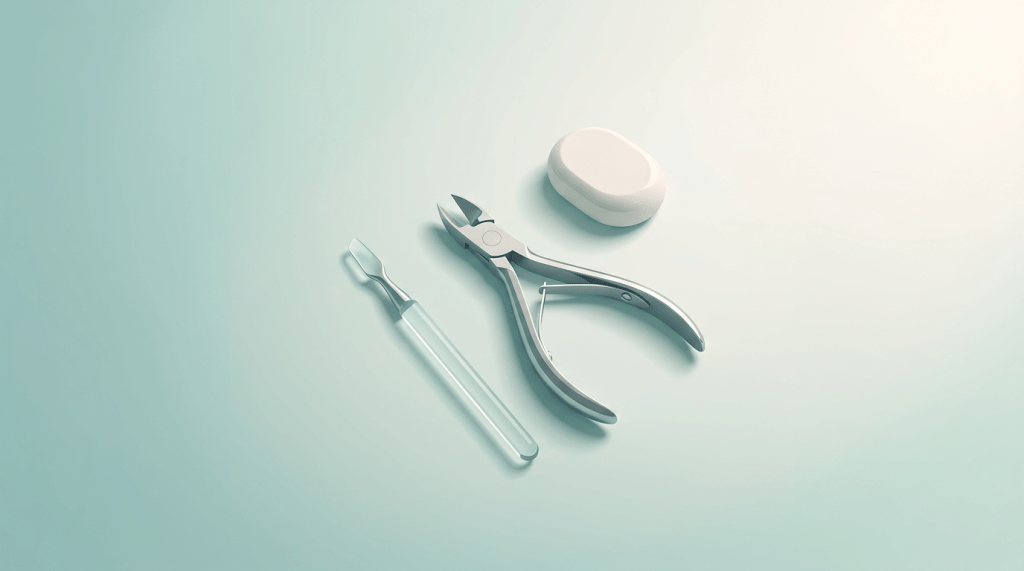
Choosing the best cuticle care tools for toes involves prioritizing precision, safety, and hygiene to maintain healthy, attractive toenails. The top picks in this category are typically crafted from high-quality stainless steel, featuring ergonomic designs and sharp, specialized tips designed to gently push back or safely trim excess cuticle tissue without causing harm to the delicate skin or nail plate.
What to Look For in Cuticle Care Tools for Toes
When selecting the ideal tools for your toenail cuticle care, consider these essential criteria to ensure effectiveness, safety, and durability:
- Material Quality: Opt for tools made from medical-grade stainless steel. This material is durable, rust-resistant, and easy to sterilize, which is crucial for preventing infections.
- Precision and Sharpness: For nippers and scissors, sharp blades are paramount. Dull tools can tear or snag the cuticle, leading to painful hangnails or potential infections. For pushers, a finely crafted tip ensures effective, gentle action.
- Ergonomics and Grip: Tools should fit comfortably in your hand, offering a non-slip grip. Good ergonomics reduce hand fatigue and provide better control, minimizing the risk of accidental slips, especially when working on your feet.
- Jaw Size and Angle (for Nippers/Scissors): For toenails, a smaller jaw size and an angled tip on nippers or scissors can offer better maneuverability around the curves of the toenail and access to hard-to-reach areas.
- Ease of Cleaning: Tools that can be easily disinfected with rubbing alcohol or a sterilizing solution are vital for maintaining hygiene and preventing bacterial or fungal transmission.
- Safety Features: Some nippers come with a protective cap or a locking mechanism to keep the blades closed when not in use, enhancing safety and preserving blade sharpness.
- Type of Tool: Consider whether you need a pusher for gentle maintenance, a nipper for overgrown cuticles, or a liquid remover for a non-cutting approach. A combination of tools often provides the most comprehensive care.
Shop Jaws Podiatry on Amazon
Podiatrist-formulated foot-care products for fungus, calluses, and cracked heels.
Visit the Jaws Podiatry Store →As an Amazon Associate we earn from qualifying purchases.
Top Picks for Toe Cuticle Care
Here are some of the best cuticle care tools for toes, categorized by type, to help you achieve salon-quality results at home.
Precision Cuticle Nippers
Best For: Tackling overgrown, thick, or stubborn cuticles that extend far onto the nail plate, or for carefully removing hangnails. Precision cuticle nippers are a staple for many pedicure enthusiasts due to their ability to provide a clean, sharp cut.
These tools feature sharp, angled blades designed to trim excess cuticle skin with accuracy. Look for nippers with a small jaw and a comfortable spring mechanism that allows for smooth, controlled movements. The quality of the stainless steel is crucial here, as it dictates both the sharpness retention and resistance to rust, ensuring a long-lasting and hygienic tool.
Pros:
- Highly effective for removing significant cuticle overgrowth.
- Provides a clean, professional finish when used correctly.
- Durable and long-lasting if made from good quality stainless steel.
Cons:
- Requires a steady hand and careful technique to avoid nicks or cuts.
- Not recommended for beginners without proper guidance.
- Improper use can lead to damage to the nail matrix or infection.
For a reliable option, consider a high-quality stainless steel precision cuticle nipper with sharp, hand-filed blades and an ergonomic handle available on Amazon.
Dual-Ended Metal Cuticle Pushers
Best For: Gently pushing back cuticles, cleaning under the free edge of the nail, and scraping away dead skin from the nail plate. These versatile tools are fundamental for preparing the toenail for polish or simply maintaining neat cuticles without cutting.
A dual-ended metal pusher typically features a spoon-shaped or curved end for pushing back cuticles and a smaller, pointed or knife-like end for cleaning under the nail or carefully scraping away non-living tissue. The key is a smooth, non-abrasive finish on the metal to prevent scratching the nail surface.
Pros:
- Safe and effective for regular cuticle maintenance without cutting.
- Durable, reusable, and easy to sterilize.
- Versatile for both pushing and cleaning tasks.
Cons:
- Can scratch the nail plate if used with excessive force or an incorrect angle.
- May not be sufficient for very thick or extremely overgrown cuticles on its own.
A sturdy, dual-ended stainless steel cuticle pusher with a comfortable grip is an excellent addition to any pedicure kit available on Amazon.
Cuticle Softeners and Removers (Liquid/Gel)
Best For: Softening and dissolving excess cuticle tissue, making it easier to push back or gently remove without the need for sharp tools. This is an excellent option for those hesitant to use nippers or for maintaining cuticles between trims.
These formulations typically contain ingredients like potassium hydroxide or sodium hydroxide, which chemically break down non-living cuticle tissue. They are applied directly to the cuticles, left for a short period, and then the softened tissue can be gently pushed back with a rubber or metal pusher. Always follow product instructions carefully.
Pros:
- Gentle and significantly reduces the risk of nicks or cuts.
- Effective for softening tough cuticles, making subsequent steps easier.
- Can be a good alternative for individuals with bleeding disorders or those on blood thinners (though always consult a doctor first).
Cons:
- Can be drying to the skin if left on too long or used excessively.
- May not fully remove very thick or adhered cuticles without additional tools.
- Requires rinsing thoroughly after use.
For a gentle yet effective approach, a quality liquid or gel cuticle softener and remover can be found on Amazon.
Cuticle Scissors
Best For: Delicate and precise trimming of fine, small bits of cuticle or hangnails. Cuticle scissors offer a different feel and control compared to nippers, often preferred by those who find scissors more intuitive to handle.
These scissors feature slender, often curved blades that are very sharp at the tips. They are ideal for very controlled snips and are particularly useful for areas where nippers might feel too bulky. While effective, they may not have the same power as nippers for very thick or extensive cuticle overgrowth on toes.
Pros:
- Offers excellent control for delicate trimming.
- Less intimidating for some users compared to nippers.
- Good for addressing small, precise areas.
Cons:
- Less effective for very thick or extensive cuticle overgrowth.
- Can be awkward to maneuver around some toenail shapes.
- Requires sharp blades; dull scissors can tear skin.
Consider adding a pair of sharp, fine-tipped stainless steel cuticle scissors for precise trimming available on Amazon.
Rubber-Tipped Cuticle Pushers
Best For: The safest and gentlest method for pushing back cuticles, especially for beginners, individuals with sensitive skin, or those with certain health conditions where sharp tools are contraindicated. They are also excellent for regular, gentle maintenance.
These pushers feature a soft, flexible rubber or silicone tip attached to a handle. The pliable material effectively pushes back the cuticle without the risk of scratching the nail plate or causing micro-trauma to the delicate skin around the nail. They are also useful for buffing the nail surface after pushing back cuticles.
Pros:
- Extremely safe and non-damaging to the nail plate or surrounding skin.
- Ideal for sensitive cuticles or for those new to cuticle care.
- Gentle enough for daily or frequent use.
Cons:
- Less effective for very thick, adhered, or overgrown cuticles.
- May not provide the same “clean” look as trimming with nippers or scissors.
- Tips can wear down over time and may need replacement.
For a gentle and safe approach to cuticle care, a rubber-tipped cuticle pusher is a valuable tool available on Amazon.
| Tool Type | Best For | Key Feature | Watch-Out |
|---|---|---|---|
| Precision Cuticle Nippers | Overgrown, thick, or stubborn cuticles. | Sharp, angled blades for clean trimming. | Requires steady hand; risk of nicks if misused. |
| Dual-Ended Metal Cuticle Pushers | Gently pushing back cuticles; cleaning under nails. | Versatile spoon/pointed ends; durable. | Can scratch nail if used too forcefully. |
| Cuticle Softeners/Removers | Softening and dissolving excess cuticle tissue. | Chemical action reduces need for cutting. | Can be drying if left on too long; rinse thoroughly. |
| Cuticle Scissors | Delicate, precise trimming of fine cuticles/hangnails. | Slender, curved blades offer fine control. | Less powerful for very thick cuticles; can be awkward for toes. |
| Rubber-Tipped Cuticle Pushers | Safest, gentlest pushing of cuticles; sensitive skin. | Soft, flexible tip prevents damage. | Less effective for very thick or adhered cuticles. |
How to Use and Care for Your Cuticle Tools
Proper technique and tool maintenance are essential for effective and safe cuticle care:
- Soak Your Feet: Always start by soaking your feet in warm water for 5-10 minutes. This softens the cuticles, making them easier and safer to work with. You can add a foot soak product for extra benefits.
- Gently Push Back: Use a cuticle pusher (metal or rubber-tipped) to gently push back the softened cuticles. Work slowly and carefully, following the natural curve of the nail. Avoid pushing too hard, which can damage the nail matrix.
- Trim Only What’s Necessary: If using nippers or scissors, only trim the excess, non-living cuticle tissue that has lifted or is truly overgrown. Never cut live skin. Less is often more. The cuticle’s purpose is to protect the nail matrix from bacteria, so removing too much can increase the risk of infection.
- Moisturize: After care, apply a good quality cuticle oil or moisturizer to keep the cuticles hydrated and healthy. This prevents dryness, cracking, and excessive growth. For overall nail health, especially if you’re prone to issues, a product like Jaws Podiatry’s Undecylenic Acid + Tea Tree Oil Nail Enhancer check the current price on Amazon can be beneficial for supporting healthy-looking nails.
- Clean Your Tools: After each use, thoroughly clean your cuticle tools. Wash them with soap and water, then disinfect them with rubbing alcohol or an appropriate sterilizing solution. This prevents the spread of bacteria and fungi.
- Store Properly: Store your tools in a clean, dry place, ideally in a protective pouch or case to prevent damage to the blades and maintain hygiene.
Safety Note: Individuals with diabetes, neuropathy, poor circulation, or any other underlying health conditions that affect foot health should exercise extreme caution with DIY foot care, especially when using sharp or abrasive tools. It is always recommended to consult a podiatrist before attempting at-home cuticle care to prevent potential complications.
Key Takeaways
- The best cuticle care tools for toes prioritize precision, safety, and hygiene, typically made from high-quality stainless steel.
- Always soften cuticles by soaking your feet before attempting to push or trim them.
- Gently push back cuticles first; only trim excess, non-living tissue with sharp, clean nippers or scissors.
- Regularly clean and disinfect all tools to prevent infections.
- Individuals with diabetes, neuropathy, or poor circulation should consult a podiatrist before using sharp cuticle tools.
Related Guides
Frequently Asked Questions
What’s the difference between cuticle nippers and cuticle scissors?
Cuticle nippers


Leave a Reply