Shop Jaws Podiatry on Amazon
Podiatrist-formulated foot-care products for fungus, calluses, and cracked heels.
Visit the Jaws Podiatry Store →As an Amazon Associate we earn from qualifying purchases.
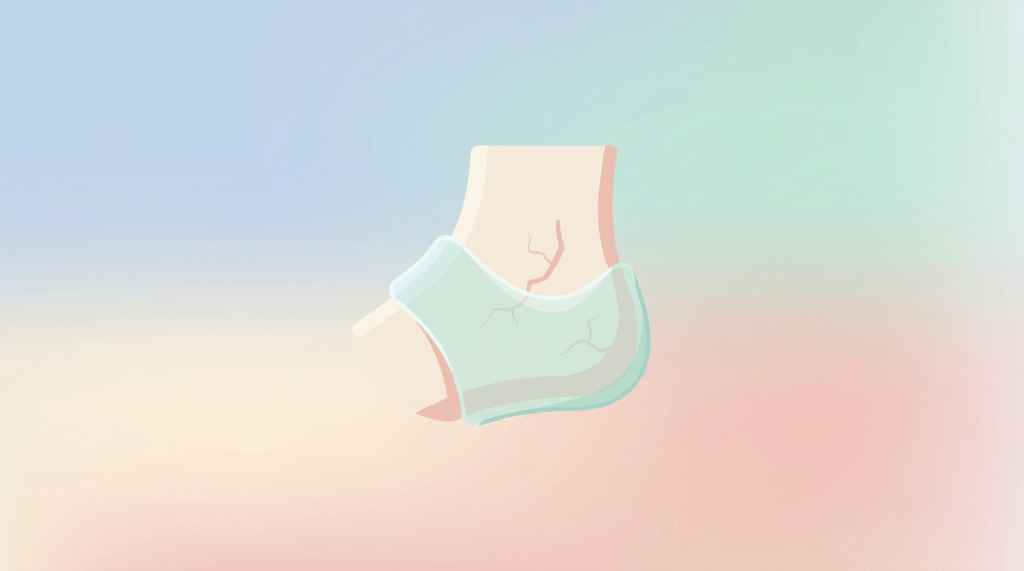
Finding the best heel protectors for cracked heels involves looking for products that offer a combination of deep moisturization, protective cushioning, and comfortable fit. The most effective options typically feature gel lining or a soft, occlusive material designed to lock in moisture and shield delicate skin from further irritation, promoting healing and preventing new cracks.
What to Look For in Heel Protectors for Cracked Heels
When selecting a heel protector, consider these key factors to ensure you choose the most effective solution for your needs:
- Material & Moisturizing Properties: Look for materials like medical-grade silicone, gel, or soft, breathable fabrics. Gel-lined protectors are excellent for intense hydration, as they create an occlusive barrier that helps your skin absorb moisturizers more effectively. Some fabrics are designed to be moisture-wicking while still providing a protective layer.
- Fit and Comfort: A good heel protector should fit snugly without being too tight, allowing for comfortable wear throughout the day or night. Ensure it doesn’t chafe or restrict circulation. Many options come in various sizes or are designed to be stretchy to accommodate different foot shapes.
- Durability and Washability: Since you’ll be wearing these regularly, choose protectors made from durable materials that can withstand frequent washing without losing their shape or effectiveness. Easy cleaning is crucial for hygiene.
- Coverage: Decide if you need a full heel sleeve that covers the entire heel and ankle, or a more targeted heel cup that focuses solely on the back and bottom of the heel. Full coverage is often better for extensive cracking, while heel cups can be great for targeted cushioning within shoes.
- Breathability: While occlusion is good for moisturizing, some protectors can trap heat. Consider options with ventilation holes or breathable fabric panels if you plan to wear them for extended periods, especially during warmer weather or while active.
- Compatibility with Footwear: If you intend to wear your heel protectors with shoes, ensure they are thin enough not to make your shoes uncomfortably tight or alter your gait.
- Support & Compression: Some heel protectors offer mild compression, which can help reduce swelling and improve circulation, potentially aiding the healing process. However, avoid excessive compression, especially if you have circulatory issues.
Top Picks for Heel Protectors for Cracked Heels
1. Silicone Gel Heel Sleeves
Silicone gel heel sleeves are a popular choice due to their excellent moisturizing and protective qualities. These sleeves typically cover the entire heel, creating a barrier that locks in moisture when paired with a good cream. The medical-grade silicone also provides a soft cushion, absorbing shock and reducing pressure on cracked areas. They are often reusable and washable, making them a cost-effective solution for consistent care.
Best For: Intensive overnight hydration, severe cracking, and cushioning while walking around the house without shoes.
- Pros: Excellent at trapping moisture, provides significant cushioning, durable and reusable, can be worn under socks or alone.
- Cons: Can feel bulky in some shoes, may cause feet to sweat if worn for extended periods during the day, may not stay perfectly in place for very active individuals.
We recommend a high-quality pair of silicone gel heel sleeves for maximum moisture retention and protection. Check them out here.
2. Fabric-Lined Gel Heel Socks
Combining the comfort of a sock with the moisturizing benefits of gel, these protectors feature a soft fabric exterior and a gel lining specifically at the heel area. They offer a more breathable and less bulky alternative to full silicone sleeves, making them suitable for daytime wear, even with some types of shoes. The fabric provides a gentle compression that can feel soothing, while the gel works to soften and heal cracked skin.
Best For: Comfortable daytime wear, light activity, and individuals who prefer the feel of a sock over a silicone sleeve.
- Pros: More breathable than full silicone, comfortable for extended wear, less noticeable under socks or in shoes, easy to wash.
- Cons: Gel lining might be less intense than pure silicone sleeves, may wear out faster than solid silicone.
For a comfortable and effective option you can wear throughout the day, consider fabric-lined gel heel socks. Find a great pair here.
3. Open-Toe Moisturizing Socks
These specialized socks are designed to provide comprehensive foot hydration while allowing your toes to breathe, preventing overheating and discomfort. They often feature a gel or soft, occlusive lining throughout the heel and sole area, making them ideal for applying a generous layer of moisturizer before bed. The open-toe design is particularly beneficial for those who find full socks too restrictive or warm for overnight use.
Best For: Overnight deep moisturizing treatments, individuals prone to sweaty feet, and those who dislike the feeling of closed-toe socks while sleeping.
- Pros: Excellent for overall foot hydration, breathable open-toe design, comfortable for sleeping, helps keep bedding clean from foot creams.
- Cons: Not ideal for wearing with most shoes, may not provide targeted cushioning for specific pressure points on the heel.
Maximize your overnight healing with open-toe moisturizing socks, perfect for pairing with a rich foot cream. Explore options on Amazon.
4. Neoprene Heel Wraps with Adjustable Straps
Neoprene heel wraps offer robust support and targeted compression, often featuring adjustable straps for a customized fit. While not primarily designed for moisturizing, they excel at protecting cracked heels from impact and friction, which can exacerbate the condition. The neoprene material can also help retain some body heat, potentially aiding circulation. These are particularly useful for active individuals or those who need extra stability and protection during daily activities.
Best For: Active individuals, targeted compression, protecting heels from impact and friction during physical activity, and stabilizing the heel area.
- Pros: Excellent protection and support, adjustable for a custom fit, durable material, can be worn with shoes.
- Cons: Not designed for moisturizing (must apply cream separately), can be less breathable than other options, may feel bulky.
For robust protection and support, especially during activity, a neoprene heel wrap with adjustable straps is an excellent choice. Find yours here.
5. Heel Cups for Shoe Insertion
Unlike sleeves or socks worn directly on the foot, heel cups are inserted into your shoes. They are typically made of silicone or gel and are designed to cradle the heel, providing superior shock absorption and cushioning. While they don’t directly moisturize, they play a crucial role in preventing further cracking by reducing the impact stress on the heel, which is a common cause of cracked heels. They also help distribute pressure more evenly across the heel.
Best For: Cushioning and shock absorption within shoes, preventing further damage from impact, and individuals who spend a lot of time on their feet.
- Pros: Excellent shock absorption, reduces pressure on the heel, fits into most shoes, durable.
- Cons: No direct moisturizing benefits, requires removal from shoes for cleaning, may take up space in shoes.
To protect your heels from impact while wearing shoes, consider a high-quality pair of gel heel cups. Shop for them on Amazon.
Shop Jaws Podiatry on Amazon
Podiatrist-formulated foot-care products for fungus, calluses, and cracked heels.
Visit the Jaws Podiatry Store →As an Amazon Associate we earn from qualifying purchases.
Comparison of Top Heel Protectors
| Best For | Key Feature | Watch-Out |
|---|---|---|
| Intensive Overnight Hydration & Severe Cracks | Full silicone gel lining for maximum occlusion | Can feel bulky; may cause sweating with prolonged daytime wear |
| Comfortable Daytime Wear & Light Activity | Fabric exterior with targeted gel lining at the heel | Gel lining may be less intense than full silicone; fabric can show wear |
| Overnight Deep Moisturizing & Breathability | Open-toe design; gel/occlusive lining throughout heel/sole | Not suitable for wearing with most shoes; less targeted cushioning |
| Active Individuals & Impact Protection | Adjustable neoprene wrap for targeted compression and support | No direct moisturizing; less breathable than some options |
| Cushioning & Shock Absorption within Shoes | Silicone/gel inserts that cradle the heel inside footwear | No direct moisturizing benefits; takes up space in shoes |
How to Use & Care Tips for Heel Protectors
To get the most out of your heel protectors and ensure optimal healing for your cracked heels, follow these guidelines:
- Clean Your Feet: Always start with clean, dry feet. Gently wash your feet and pat them dry before applying any products.
- Apply a High-Quality Moisturizer: This is perhaps the most crucial step. Heel protectors work best when they create an occlusive barrier over a rich moisturizer. For severely cracked heels, a urea-based cream is highly effective. We recommend Jaws Podiatry’s 40% Urea Callus Cream, which is specifically formulated to soften and exfoliate tough, dry skin, making it ideal for cracked heels. Apply a generous layer directly to your heels. Get Jaws Podiatry 40% Urea Callus Cream here.
- Wear Consistently: For best results, wear your heel protectors overnight or for several hours daily, especially after applying cream. Consistency is key to softening the skin and promoting healing.
- Clean Your Protectors Regularly: Most silicone or gel protectors can be hand-washed with mild soap and warm water, then air-dried. Fabric-lined options may be machine washable (check manufacturer instructions). Regular cleaning prevents bacterial buildup and maintains hygiene.
- Inspect Your Feet: Regularly check your heels for signs of improvement, irritation, or infection. If you notice increased redness, swelling, pus, or persistent pain, discontinue use and consult a healthcare professional.
- When to Consult a Podiatrist: While heel protectors are excellent for managing cracked heels, certain conditions warrant professional medical advice. If you have diabetes, neuropathy, or poor circulation, it is crucial to consult a podiatrist before attempting any DIY foot care or using new foot products, as even minor foot issues can lead to serious complications. Also, seek professional help if your cracks are deep, bleeding, extremely painful, or show signs of infection.
Key Takeaways
- The best heel protectors for cracked heels combine moisturizing properties with protective cushioning.
- Gel-lined sleeves or socks are highly effective for trapping moisture and promoting healing when paired with a quality cream.
- Consistency in use, especially overnight with a urea-based moisturizer like Jaws Podiatry’s 40% Urea Callus Cream, is vital for results.
- Different types of protectors offer varied benefits, from intensive hydration to active protection and cushioning within shoes.
- Always prioritize foot hygiene and consult a podiatrist for severe cracks or underlying health conditions like diabetes, neuropathy, or poor circulation.
Frequently Asked Questions
Q1: How long does it take for heel protectors to work?
You may start to notice an improvement in the softness and appearance of your heels within a few days to a week of consistent use, especially when paired with a high-quality moisturizing cream. Significant healing of deeper cracks can take several weeks or even months, depending on the severity of the condition and adherence to a regular foot care routine.
Q2: Can I wear heel protectors all day?
Many fabric-lined or breathable heel protectors are designed for comfortable all-day wear, particularly if you’re active or need continuous cushioning. However, full silicone gel sleeves are often better suited for overnight use or shorter periods during the day, as they can sometimes cause feet to sweat. Always choose a protector that feels comfortable and doesn’t restrict circulation. If you have diabetes, neuropathy, or poor circulation, consult a podiatrist before wearing any foot protection for extended periods.
Q3: Are heel protectors reusable?
Yes, nearly all heel protectors designed for cracked heels are reusable. They are made from durable materials like medical-grade silicone, gel, neoprene, or washable fabrics. Proper cleaning and care, as per the manufacturer’s instructions, will extend their lifespan, making them a cost-effective part of your foot care regimen.
Q4: What’s the difference between a heel protector and a heel cup?
A “heel protector” typically refers to a sleeve or sock-like device worn directly on the foot, often with moisturizing properties (e.g., gel-lined) and designed to cover and heal cracked skin. A “heel cup,” on the other hand, is an insert placed inside a shoe, primarily designed to provide cushioning, shock absorption, and support for the heel, helping to prevent impact-related cracking and discomfort.
<h3 id="q5-can-heel-protectors-prevent HealthyStridesHQ
Leave a comment