Shop Jaws Podiatry on Amazon
Podiatrist-formulated foot-care products for fungus, calluses, and cracked heels.
Visit the Jaws Podiatry Store →As an Amazon Associate we earn from qualifying purchases.
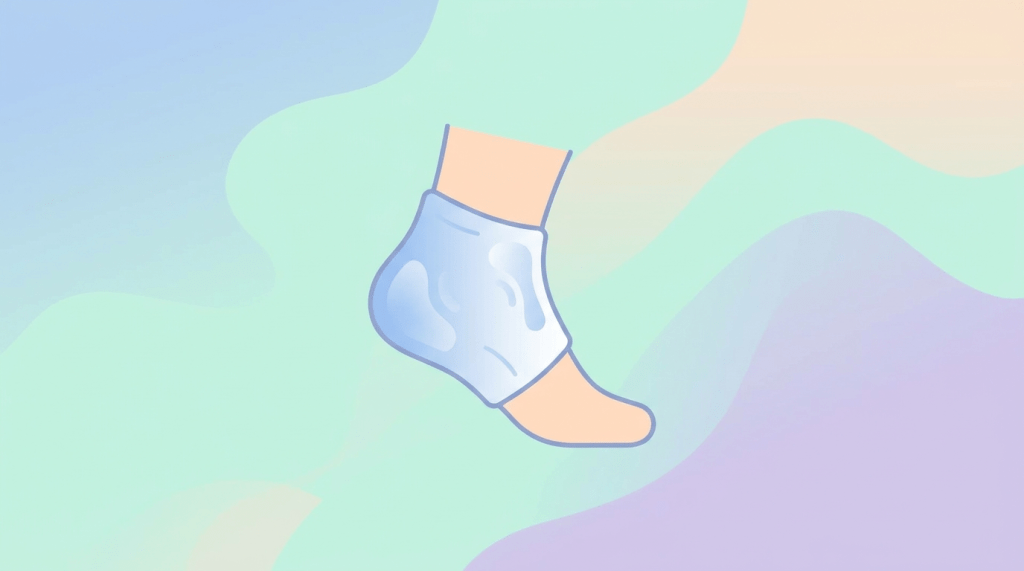
The best gel heel sleeves offer a unique combination of cushioning, shock absorption, and often moisturizing properties, providing significant relief for those suffering from heel pain, plantar fasciitis, Achilles tendonitis, and dry, cracked heels. A good pick effectively cradles the heel, reduces impact, and helps skin retain essential moisture for healing and comfort.
What to Look For in Gel Heel Sleeves
When choosing the ideal gel heel sleeves, consider these factors to ensure maximum comfort and effectiveness:
- Material Composition: Most sleeves feature medical-grade silicone gel, which is hypoallergenic and non-toxic. Some are entirely gel, while others are fabric-lined (often nylon or spandex) for breathability and to prevent direct skin contact with the gel, which can sometimes cause sweating.
- Thickness and Cushioning: The gel’s thickness directly impacts its ability to absorb shock and provide cushioning. Thicker gel offers more support for severe pain, while thinner options might be preferred for everyday wear in various shoe types.
- Fit and Sizing: A proper fit is crucial. The sleeve should be snug enough to stay in place without constricting circulation. Many are one-size-fits-most, but some brands offer specific sizing, which can provide a more tailored experience.
- Breathability: Especially important for prolonged wear, breathability helps prevent moisture buildup and potential skin irritation. Fabric-lined sleeves or those with ventilation holes can be beneficial.
- Durability and Washability: Look for sleeves made from robust materials that can withstand regular wear and washing. Most gel sleeves are hand-washable with mild soap and air-dried.
- Specific Features: Some sleeves include additional features like arch support, targeted compression, or infused moisturizers (e.g., vitamin E, essential oils) for enhanced skin conditioning.
- Open vs. Closed Toe Design: Open-toe designs are common for overnight wear or with sandals, allowing toes to breathe. Closed-toe options provide more comprehensive foot coverage.
- Foot Condition Compatibility: Consider your primary concern. Is it pain relief, moisture retention for cracked heels, or both? Different designs excel in different areas.
Top Picks for Gel Heel Sleeves
Here’s a breakdown of the best gel heel sleeves, categorized by their primary design and benefits, to help you find the perfect match for your needs.
The All-Around Fabric-Lined Gel Heel Sleeve
These sleeves combine the best of both worlds: a soft, breathable fabric exterior (often nylon or spandex) with an interior lining of medical-grade silicone gel, typically concentrated at the heel. They are excellent for daily wear, providing discreet cushioning and gentle hydration without the clamminess that can sometimes accompany full-gel products. They are particularly good for individuals seeking comfort from mild heel pain, friction, or those looking to prevent dryness throughout the day.
- Best For: Everyday wear, mild heel pain, preventing blisters, general heel protection, light moisturizing.
- Pros:
- Breathable fabric outer layer enhances comfort and reduces sweat.
- Discreet enough to wear with most shoes.
- Provides effective cushioning and shock absorption.
- Less prone to slipping than full-gel options.
- Often infused with skin-conditioning agents.
- Cons:
- May not provide as much intense cushioning as thicker, full-gel options.
- Fabric can wear out over time with frequent washing.
For a comfortable and versatile option that balances cushioning with breathability, consider a fabric-lined gel heel sleeve.
The Intensive Hydrating Gel Heel Sock (Open-Toe)
Designed primarily for treating dry, cracked heels, these open-toe gel socks feature a substantial gel lining, often enriched with vitamins or botanical oils, that works to lock in moisture. When paired with a quality moisturizing cream, they create an occlusive barrier that significantly enhances skin hydration and repair, especially overnight. The open-toe design allows for breathability and comfort during extended wear.
- Best For: Severe dry and cracked heels, overnight treatment, enhancing the absorption of moisturizing creams.
- Pros:
- Provides intense hydration, accelerating healing of cracked heels.
- Open-toe design prevents overheating and allows for comfortable sleep.
- Can be paired effectively with topical creams for enhanced results.
- Often reusable and washable.
- Cons:
- Not ideal for wearing with all shoe types due to their bulk.
- Gel can feel warm or sweaty for some users.
- Primarily focused on hydration, less on structural support.
To maximize the benefits for cracked heels, apply a rich 40% urea callus cream to your heels before slipping on an intensive hydrating open-toe gel heel sock for overnight therapy.
Safety Note: If you have diabetes, neuropathy, or poor circulation, always consult your podiatrist before using intensive moisturizing treatments or any new foot care products, especially those that create an occlusive barrier.
The Robust Gel Heel Cup/Sleeve Insert
These are often thicker, U-shaped or full-heel gel inserts that fit snugly around the heel or slip into the back of your shoe. They are engineered for superior shock absorption and pressure distribution, making them a go-to choice for conditions like plantar fasciitis, heel spurs, and Achilles tendonitis where significant impact reduction is needed. They provide a more structured form of support compared to thinner sleeves.
- Best For: Plantar fasciitis, heel spurs, Achilles tendonitis, significant heel pain, high-impact activities.
- Pros:
- Excellent shock absorption and cushioning.
- Distributes pressure evenly across the heel.
- Durable and long-lasting, often made from medical-grade silicone.
- Can be easily transferred between different pairs of shoes.
- Cons:
- Can be bulky and may require loosening shoe laces or opting for larger shoes.
- Some designs can cause friction if not properly placed.
- May not offer direct skin moisturizing benefits unless combined with creams.
For robust support and cushioning against conditions like plantar fasciitis, a gel heel cup or sleeve insert can provide significant relief.
The Targeted Gel Heel Protector
These specialized gel heel sleeves or pads are designed to address specific pressure points or areas of friction. They might feature extra padding at the back of the heel to prevent blisters from shoe rub, or incorporate a small gel pad within a fabric sleeve to cushion a bony prominence. They are often thinner and more minimalist than full sleeves, focusing on precise protection.
- Best For: Blister prevention, reducing friction from shoes, cushioning specific bony prominences, targeted relief for small areas of pain.
- Pros:
- Targets specific problem areas effectively.
- Thin and discreet, fits well in most shoes.
- Reduces friction and prevents skin irritation.
- Lightweight and comfortable for extended wear.
- Cons:
- Offers less comprehensive cushioning than full sleeves.
- May not stay in place as well as full sleeves if not properly sized.
- Less effective for widespread heel pain or dryness.
When you need focused relief from friction or a specific painful spot, a targeted gel heel protector is a smart choice.
The Compression Gel Heel Sleeve
Combining the benefits of compression with gel cushioning, these sleeves are made from stretchy fabric (like neoprene or spandex) with an integrated gel pad at the heel. The compression component helps to improve circulation, reduce swelling, and provide stability to the ankle and foot, while the gel pad cushions the heel. This dual-action approach makes them suitable for recovery from minor injuries or for managing conditions that involve both pain and swelling.
- Best For: Post-activity recovery, mild swelling, general heel pain with a need for stability, light support for Achilles issues.
- Pros:
- Offers both cushioning and gentle compression.
- Can help reduce swelling and improve circulation.
- Provides a sense of stability for the heel and ankle.
- Often more breathable than full-gel options.
- Cons:
- Compression may be too tight for some users, especially if swelling is significant.
- Gel pad might be thinner than in dedicated cushioning products.
- Requires careful sizing to ensure proper compression without discomfort.
For a supportive option that combines pain relief with gentle stability, consider a compression gel heel sleeve.
Shop Jaws Podiatry on Amazon
Podiatrist-formulated foot-care products for fungus, calluses, and cracked heels.
Visit the Jaws Podiatry Store →As an Amazon Associate we earn from qualifying purchases.
Comparison Table: Best Gel Heel Sleeves
| Best For | Key Feature | Watch-Out |
|---|---|---|
| Everyday heel pain, friction, light dryness | Breathable fabric exterior with integrated gel pad | Less intense cushioning for severe pain |
| Severe dry/cracked heels, overnight hydration | Open-toe design, rich gel lining for moisture retention | Bulky for daytime shoes, can feel warm |
| Plantar fasciitis, heel spurs, Achilles pain | Thick, U-shaped or full-heel gel for superior shock absorption | Can be bulky, may require shoe adjustment |
| Blister prevention, specific pressure points | Thin, targeted gel padding for focused protection | Limited comprehensive cushioning or hydration |
| Mild swelling, post-activity recovery, stability | Fabric compression with integrated gel pad | Requires careful sizing, compression might be too tight |
How to Use and Care Tips for Gel Heel Sleeves
Proper use and care will extend the life of your gel heel sleeves and ensure they remain effective:
- Cleanliness is Key: Wash your gel heel sleeves regularly, especially if you wear them daily. Most can be hand-washed with mild soap (like dish soap or gentle hand soap) and lukewarm water. Rinse thoroughly.
- Air Dry Completely: After washing, gently squeeze out excess water and allow them to air dry completely. Avoid direct sunlight or high heat, which can degrade the gel material. Do not tumble dry.
- Apply to Clean, Dry Skin: For best results and hygiene, apply gel heel sleeves to clean, dry feet. If you’re using them for hydration, apply your preferred moisturizing cream (like a 40% urea cream for cracked heels) to your feet first, then slip on the sleeve to lock in moisture.
- Monitor for Skin Irritation: While gel sleeves are generally safe, some individuals might experience skin irritation, especially with prolonged wear or if the gel causes excessive sweating. If this occurs, reduce wear time or try a fabric-lined option.
- Rotate Pairs: If you use gel heel sleeves daily, consider having two pairs so you can rotate them, allowing one to air out and dry completely while wearing the other.
- Check for Wear and Tear: Inspect your sleeves regularly for tears, thinning gel, or loss of elasticity. Worn-out sleeves will be less
Related Guides
Related Guides


Leave a Reply