Shop Jaws Podiatry on Amazon
Podiatrist-formulated foot-care products for fungus, calluses, and cracked heels.
Visit the Jaws Podiatry Store →As an Amazon Associate we earn from qualifying purchases.
The best callus removal kits combine effectiveness with safety and ease of use, offering solutions from gentle chemical exfoliation to robust mechanical removal. Whether you’re dealing with light rough patches or stubborn, thick calluses, a good kit helps restore smooth, comfortable feet by providing the right tools and products to tackle hardened skin safely and efficiently.
What to Look For in a Callus Removal Kit
- Type of Removal Method: Kits vary widely, offering mechanical exfoliation (files, rasps, electric removers), chemical exfoliation (urea, salicylic acid creams, peel socks), or a combination. Consider your callus severity and sensitivity when choosing.
- Safety Features: For mechanical tools, look for ergonomic designs, protective covers, and clear instructions. For chemical products, check for appropriate concentrations and warnings, especially if you have sensitive skin.
- Ingredients (for topical products): High concentrations of urea (e.g., 40%) are highly effective for breaking down keratin in thick calluses. Salicylic acid also works but can be harsher. Moisturizing ingredients like shea butter or hyaluronic acid are beneficial post-removal.
- Ease of Use & Maintenance: Kits should be straightforward to use at home. Consider how easy the tools are to clean and if replacement parts (like abrasive heads for electric removers) are readily available.
- Durability of Tools: If a kit includes manual files or electric devices, assess the quality of materials. Stainless steel files are durable and hygienic.
- Inclusion of Aftercare: The best kits often include or recommend a good foot cream or moisturizer to hydrate and maintain skin smoothness after callus removal, preventing recurrence.
- Suitability for Your Condition: Individuals with diabetes, neuropathy, or poor circulation should exercise extreme caution with any callus removal method, especially sharp or abrasive tools, and ideally consult a podiatrist before attempting DIY treatment.
Shop Jaws Podiatry on Amazon
Podiatrist-formulated foot-care products for fungus, calluses, and cracked heels.
Visit the Jaws Podiatry Store →As an Amazon Associate we earn from qualifying purchases.
Top Picks for Callus Removal Kits
Urea-Based Callus Cream & Stainless Steel File Kit
Best For: Thick, stubborn calluses and severely cracked heels. This type of kit is ideal for those seeking a potent, yet relatively gentle, chemical approach combined with manual exfoliation to tackle deeply embedded hardened skin.
Urea is a powerful keratolytic agent, meaning it effectively breaks down the protein (keratin) that forms calluses, allowing the hardened skin to be easily removed. When combined with a high-quality stainless steel foot file, it provides a comprehensive solution for even the most challenging calluses. The cream softens the callus, making the filing process safer and more efficient, reducing the risk of over-filing or skin irritation.
- Pros: Highly effective for significant calluses; urea also has moisturizing properties; stainless steel files are durable and hygienic; less risk of cutting compared to blades.
- Cons: Requires consistent application for best results; may not be suitable for very thin or sensitive skin; initial cost might be higher than basic files.
For a robust solution to persistent calluses and cracked heels, consider a kit featuring a high-concentration urea cream (like 40% urea) paired with a stainless-steel foot file. The Jaws Podiatry 40% Urea Callus Cream + Stainless-Steel File Kit is an excellent choice for its professional-grade efficacy and comprehensive approach to foot care.
Electric Callus Removers with Multiple Heads
Best For: Regular maintenance, moderate calluses, and individuals who prefer a less labor-intensive removal method. These devices offer a consistent and controlled way to smooth rough skin.
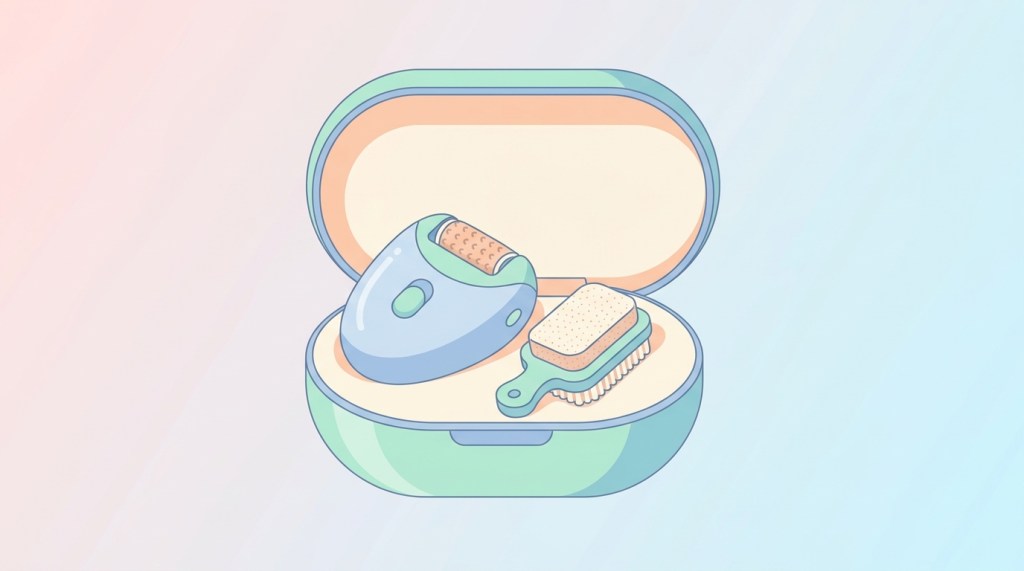
Electric callus removers typically feature rotating abrasive heads that gently buff away dead skin. Many models come with different grit levels for various stages of removal, from coarse for initial reduction to fine for smoothing. Rechargeable versions offer convenience and portability, making them easy to use anywhere. The key benefit is the controlled abrasion, which helps prevent over-filing that can occur with manual tools.
- Pros: Easy to use with minimal effort; gentle and consistent exfoliation; often comes with multiple heads for different needs; rechargeable for convenience.
- Cons: Can be noisy; requires charging; replacement heads can add to long-term cost; improper use can still lead to irritation or skin damage if too much pressure is applied or used for too long in one spot.
For a convenient and effective way to manage calluses with minimal effort, an electric callus remover with interchangeable heads is a great option. Look for models with strong motors and ergonomic designs, such as this highly-rated rechargeable electric callus remover.
Manual Foot Files and Rasps (Professional Grade)
Best For: Moderate to severe calluses, quick removal, and those who prefer a tactile, hands-on approach. These tools provide immediate results and precise control.
Professional-grade manual foot files and rasps, often made from stainless steel or micro-plane technology, are designed for effective and swift callus reduction. They offer superior sharpness and durability compared to standard pumice stones or emery boards. The key is using them on softened skin (after soaking) and with light, controlled strokes to avoid over-exfoliation. Their robustness makes them a staple in many podiatry practices for good reason.
- Pros: Highly effective for quick results; durable and easy to clean; no batteries or charging required; offers precise control over the amount of skin removed.
- Cons: Requires more manual effort; can be aggressive if not used carefully; risk of cutting or over-filing if not experienced or if used on dry skin.
For direct and efficient removal of tough calluses, a high-quality manual foot file or rasp is indispensable. We recommend a durable, double-sided stainless steel foot file for its effectiveness and longevity.
Callus Peel / Exfoliating Foot Socks
Best For: Widespread calluses, general foot exfoliation, and individuals who prefer a “hands-off” chemical peeling method. These socks offer a unique and often dramatic way to shed dead skin.
Callus peel socks contain exfoliating acids, typically alpha hydroxy acids (AHAs) like lactic or glycolic acid, or salicylic acid, which penetrate the hardened skin. After wearing the socks for a specified period, the skin on your feet will begin to peel dramatically over the course of several days to a week or more. This method is effective for a broad area and can reach places difficult for manual tools.
- Pros: Easy to use; effective for widespread calluses; no manual scraping required; results in significant skin shedding for overall smoother feet.
- Cons: Peeling process can take days and may be unsightly; results are not immediate; not suitable for open wounds or very sensitive skin; some formulations can cause irritation.
If you’re looking for an easy, comprehensive way to shed dead skin and soften widespread calluses, a set of exfoliating foot peel masks can provide impressive results.
Pumice Stones and Foot Scrubbers
Best For: Light calluses, daily maintenance, and gentle exfoliation. These are excellent tools for preventing callus buildup and keeping feet consistently smooth.
Pumice stones are naturally abrasive volcanic rocks, while foot scrubbers typically feature synthetic abrasive surfaces. They are best used on wet, softened skin to gently rub away superficial hardened skin and rough patches. They are less aggressive than files or electric removers, making them ideal for routine care and for those with sensitive skin or minor calluses. Their gentle action makes them a safe choice for regular use.
- Pros: Gentle and safe for frequent use; inexpensive and widely available; good for maintenance and preventing new callus formation; eco-friendly options exist.
- Cons: Less effective for very thick or established calluses; requires consistent effort; can wear down over time.
For daily maintenance and gentle removal of light calluses, a classic natural pumice stone or a durable foot scrubber is an essential addition to any foot care routine.
| Product Type | Best For | Key Feature | Watch-Out |
|---|---|---|---|
| Urea-Based Cream & File Kits | Thick, stubborn calluses & cracked heels | Potent chemical exfoliation + manual file | Requires consistent use; not for very sensitive skin |
| Electric Callus Removers | Regular maintenance & moderate calluses | Effortless, controlled mechanical exfoliation | Can cause irritation if overused; requires charging |
| Manual Foot Files & Rasps | Moderate to severe calluses, quick removal | Immediate, precise, powerful manual abrasion | High risk of over-filing or cuts if not careful |
| Callus Peel / Exfoliating Socks | Widespread calluses & general foot exfoliation | Hands-off chemical peeling over several days | Delayed results; peeling can be extensive; not for open wounds |
| Pumice Stones & Foot Scrubbers | Light calluses & daily maintenance | Gentle, safe, and inexpensive mild exfoliation | Less effective for very thick calluses; requires regular use |
How to Use & Care Tips for Callus Removal Kits
Proper technique and aftercare are crucial for safe and effective callus removal, regardless of which of the best callus removal kits you choose.
- Soak Your Feet: Always start by soaking your feet in warm water for 10-15 minutes. This softens the calluses, making them easier and safer to remove. For an added benefit, you can add Epsom salts to the water.
- Use Tools on Softened Skin: Whether using a manual file, electric remover, or pumice stone, ensure your skin is softened. For chemical peels, follow the product instructions carefully, as some are applied to dry feet.
- Be Gentle and Gradual: Never try to remove all of a callus in one session, especially with abrasive tools. Aggressive removal can lead to irritation, bleeding, or even infection. Use light pressure and make multiple passes rather than deep, single strokes.
- Moisturize Regularly: After removing calluses, apply a rich, hydrating foot cream. Look for ingredients like urea, lactic acid, or shea butter to keep skin soft and prevent future callus formation. Jaws Podiatry’s 40% Urea Callus Cream can also be used as a maintenance moisturizer.
- Clean Your Tools: Always clean your callus removal tools after each use. Wash manual files and pumice stones with soap and water, and allow them to air dry completely. For electric removers, follow the manufacturer’s cleaning instructions for the heads. This prevents bacterial growth.
- Replace Abrasive Heads: For electric callus removers, replace the abrasive heads regularly as they wear down and become less effective, typically every 3-6 months depending on usage.
- Wear Proper Footwear: Ill-fitting shoes are a primary cause of calluses. Wear comfortable, supportive shoes that fit well and don’t rub. Consider insoles or orthotics if you have specific pressure points.
- When to Consult a Podiatrist: If you have diabetes, neuropathy, poor circulation, or any condition that affects foot health, it is imperative to consult a podiatrist before using any callus removal kit, especially those with sharp blades or strong chemicals. Even minor cuts or irritation can lead to serious complications. A podiatrist can safely remove calluses and provide personalized advice.
Key Takeaways
- The best callus removal kits offer diverse methods, from powerful urea creams to gentle pumice stones, catering to various callus types and severities.
- Safety is paramount: always soften skin before mechanical removal, use tools gently, and follow product instructions for chemical treatments.
- Individuals with underlying health conditions like diabetes, neuropathy, or poor circulation must consult a podiatrist before attempting any DIY callus removal.
- Consistent moisturizing and wearing proper footwear are essential aftercare steps to maintain smooth feet and prevent calluses from returning.
- No single kit is universally “best”; the ideal choice depends on your specific needs, callus severity, and comfort with different removal methods.
Frequently Asked Questions
Are callus removal kits safe for everyone?
While many callus removal kits are safe for general use, they are not safe for everyone. Individuals with diabetes, neuropathy, poor circulation, fragile skin, or open wounds on their feet should avoid using these kits without prior consultation and guidance from a podiatrist. For these individuals, even minor injuries from improper use can lead to serious complications, including infections and ulcers.
How often should I use a callus remover?
The frequency depends on the type of callus removal kit and the severity of your calluses. For electric remo


Leave a Reply