As an Amazon Associate I earn from qualifying purchases.
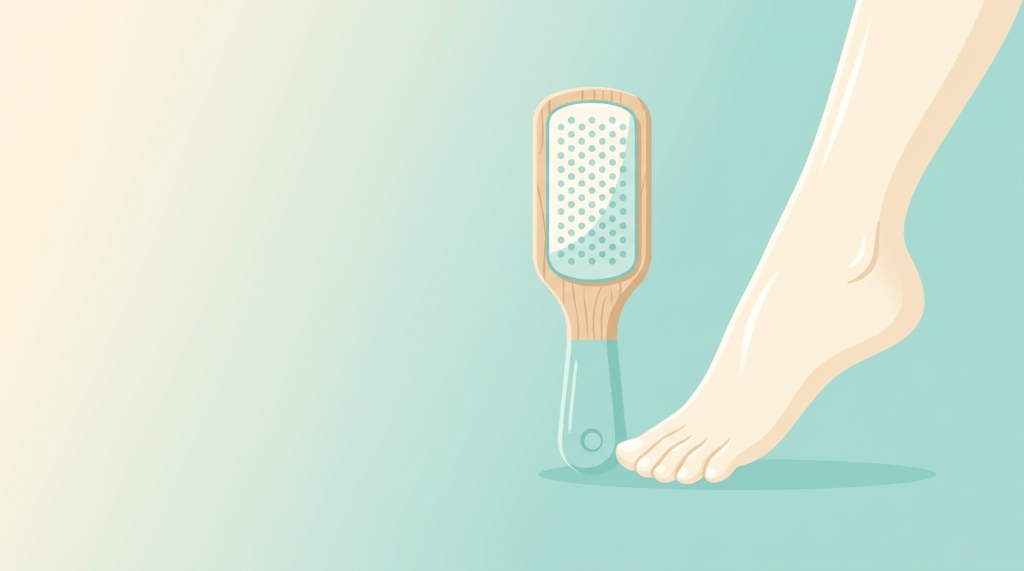
The best foot file for dead skin ultimately depends on the severity of your calluses, your skin sensitivity, and personal preference, but for most people seeking effective and safe removal, a high-quality manual foot file (such as a surgical-grade stainless steel rasp) combined with a potent callus-softening cream offers superior results. Electric files provide convenience, while glass files offer gentle, consistent exfoliation.
Understanding Dead Skin and Calluses on Your Feet
Our feet endure significant pressure and friction daily, leading to the natural accumulation of dead skin cells. When this pressure and friction are concentrated, the body responds by thickening the skin as a protective mechanism, resulting in calluses. These patches of hard, dead skin often appear on the heels, balls of the feet, and along the sides of the toes. While calluses are a natural defense, they can become uncomfortable, crack, and even lead to pain or infection if left untreated. Effectively removing this dead skin and softening calluses is crucial not only for aesthetic reasons but also for overall foot health and comfort.
Why Do Calluses Form?
- Friction: Ill-fitting shoes, socks, or even the way you walk can create constant rubbing against your skin.
- Pressure: Standing or walking for long periods places pressure on specific areas of the feet, particularly the heels and balls.
- Lack of Moisture: Dry skin is more prone to hardening and cracking, exacerbating callus formation.
- Foot Deformities: Bunions, hammertoes, or other structural issues can alter weight distribution, leading to increased pressure points.
Types of Foot Files: A Comprehensive Comparison
Navigating the array of foot files available can be daunting. Each type offers distinct advantages and disadvantages, making the “best” choice highly individual. Here, we break down the most common options to help you decide.
Manual Foot Files
Manual foot files require physical effort but offer precise control over the exfoliation process.
Among metal options, the Jaws Podiatry surgical-grade stainless steel foot file stands out for its razor-sharp micro-files and easy-to-clean design.
- Pumice Stones:
- Description: Natural volcanic rock with a porous, abrasive surface.
- Pros: Gentle, inexpensive, widely available, good for daily maintenance or light dry skin.
- Cons: Can wear down quickly, less effective for thick calluses, requires consistent effort.
- Best For: Gentle exfoliation, maintaining smooth skin, softening rough patches.
- Emery Boards/Sandpaper Files:
- Description: Similar to nail files, these are often disposable or have replaceable abrasive pads.
- Pros: Very fine grit for delicate areas, good for smoothing after initial callus reduction, hygienic if disposable.
- Cons: Not effective for substantial calluses, can be slow.
- Best For: Finishing touches, very light dry skin.
- Metal Graters/Rasp Files:
- Description: Features a stainless steel surface with small, sharp perforations or ridges designed to shave off dead skin.
- Pros: Highly effective for thick, stubborn calluses, durable, easy to clean.
- Cons: Can be overly aggressive if not used carefully, risk of injury if too much pressure is applied, especially for those with sensitive skin or underlying conditions.
- Best For: Significant callus reduction, but requires a gentle hand.
- Recommendation: The Jaws Podiatry 2-piece Callus Kit includes a surgical-grade stainless steel file, designed for professional-level precision and effectiveness when used correctly.
Electric Foot Files
Electric files automate the filing process, reducing manual effort.
- Roller Files:
- Description: Battery-operated devices with a rotating abrasive roller.
- Pros: Convenient, less manual effort, can be gentler than metal graters if used lightly, good for consistent maintenance.
- Cons: Can be less powerful for very thick calluses, requires batteries/charging, rollers need replacement, can be noisy.
- Best For: Moderate calluses, regular maintenance, those seeking convenience.
- Example: Electric Callus Remover with Vacuum (generic example).
- Vacuum Files:
- Description: A type of electric file that also incorporates a vacuum system to collect dead skin debris.
- Pros: Keeps the filing area cleaner, reduces mess.
- Cons: Can be bulkier, potentially less powerful suction than desired, often more expensive.
- Best For: Mess-conscious users, moderate calluses.
Glass Foot Files
- Description: Made from etched or tempered glass, offering a fine, consistent abrasive surface.
- Pros: Extremely gentle yet effective, durable, hygienic (easy to clean and sterilize), excellent for smoothing and preventing new callus buildup.
- Cons: Can take longer to remove very thick calluses compared to metal files, risk of shattering if dropped.
- Best For: Sensitive skin, regular maintenance, achieving a very smooth finish, preventing callus regrowth.
Chemical Exfoliants (Callus Softeners)
These products use active ingredients to chemically break down and soften calluses, making them easier to remove.
- Description: Creams, gels, or foot masks containing ingredients like urea, salicylic acid, or alpha hydroxy acids (AHAs).
- Pros: Can be very effective for softening stubborn calluses, often used in conjunction with physical files, less risk of over-exfoliation injury compared to aggressive manual tools if used as directed.
- Cons: Requires soaking/application time, some ingredients can irritate sensitive skin, not an instant solution.
- Best For: Very thick, stubborn calluses, cracked heels, as a preparatory step before filing.
- Recommendation: The Jaws Podiatry 2-piece Callus Kit includes a 40% urea callus cream, which is a professional-strength concentration known for its exceptional keratolytic (skin-softening) properties, making it an ideal companion to a foot file for comprehensive callus care.
| Foot File Type | Effectiveness for Dead Skin/Calluses | Ease of Use | Safety Considerations | Maintenance/Durability |
|---|---|---|---|---|
| Pumice Stone | Low to Moderate (daily maintenance) | Very Easy | Very Low Risk (gentle) | Wears down, needs replacement |
| Metal Rasp/Grater | High (for thick calluses) | Moderate (requires careful handling) | Higher Risk (can cut if misused) | Very Durable, easy to clean |
| Electric Roller File | Moderate to High (convenient maintenance) | Easy (less effort) | Moderate Risk (can over-file if left too long) | Rollers need replacement, battery/charging |
| Glass Foot File | Moderate (excellent for smoothing) | Easy | Low Risk (gentle, consistent abrasion) | Very Durable, easy to clean |
| Chemical Softener (e.g., Urea Cream) | High (especially for thick, hard calluses) | Easy (application) | Low Risk (if used as directed, patch test for sensitivity) | Consumable product |
How to Choose the Best Foot File for Your Needs
Selecting the ideal foot file involves evaluating several factors related to your specific condition and preferences.
- Severity of Calluses/Dead Skin:
- For light, superficial dry skin, a pumice stone or glass file is often sufficient for regular maintenance.
- For moderate calluses, an electric roller file or a glass file can be effective.
- For thick, stubborn calluses and cracked heels, a surgical-grade metal rasp, often paired with a powerful urea-based callus cream like the one in the Jaws Podiatry 2-piece Callus Kit, provides the most efficient solution.
- Skin Sensitivity: If you have sensitive skin, opt for gentler options like a glass file or pumice stone. Always proceed with caution when using more abrasive tools.
- Convenience vs. Control: Electric files offer convenience with less manual effort, while manual files provide superior control, allowing you to feel the amount of pressure applied.
- Time Commitment: Chemical exfoliants require soaking or application time, while manual filing can be quicker for immediate results (though consistency is key for all methods).
- Hygiene: Files that are easy to clean (like stainless steel or glass) are more hygienic. Disposable options or those with replaceable heads also offer good hygiene.
The Podiatrist’s Pick: Jaws Podiatry 2-piece Callus Kit
For those serious about tackling stubborn calluses and cracked heels, the Jaws Podiatry 2-piece Callus Kit stands out as a podiatrist-informed choice. This kit combines two powerful tools for maximum effectiveness:
- 40% Urea Callus Cream: Urea is a highly effective humectant and keratolytic agent. At a 40% concentration, it deeply penetrates and softens hardened skin, breaking down the bonds that hold dead skin cells together. This makes the calluses much easier to file away, reducing the need for aggressive physical exfoliation and minimizing the risk of irritation.
- Surgical-Grade Stainless


Leave a Reply