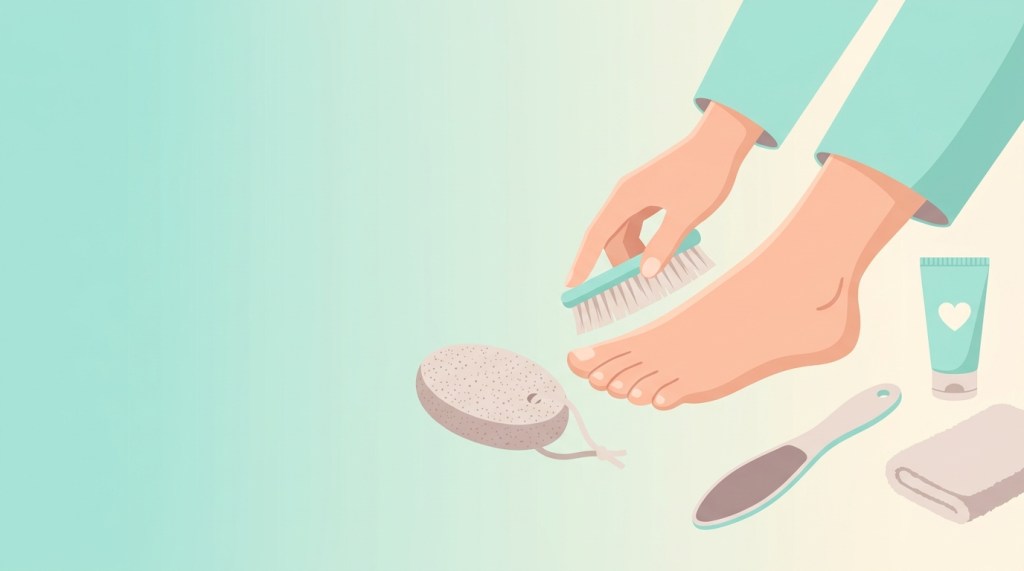
For individuals managing diabetes, understanding which diabetic foot care tools are safe to use is paramount to preventing serious complications. The safest tools are those that promote gentle care, minimize the risk of injury, and are used with a clear understanding of your foot health status. Always prioritize tools that allow for precision and control, and when in doubt, consult a podiatrist.
Understanding Diabetic Foot Risks
Living with diabetes means a heightened risk for various foot complications, primarily due to two common issues: diabetic neuropathy and peripheral artery disease (PAD). Understanding these risks is crucial for making informed decisions about foot care tools and practices.
Neuropathy and Loss of Sensation
Diabetic neuropathy is nerve damage caused by high blood sugar levels. This condition often leads to a loss of sensation, particularly in the feet. When you can’t feel pain, pressure, heat, or cold effectively, it’s easy to sustain minor injuries like cuts, blisters, or burns without realizing it. These unnoticed injuries can then worsen, become infected, and potentially lead to severe complications. Therefore, any tool used must be gentle and precise to avoid inadvertently causing harm.
Poor Circulation and Delayed Healing
Peripheral artery disease (PAD) is common in people with diabetes and involves narrowed blood vessels, reducing blood flow to the legs and feet. Good circulation is vital for healing and fighting infection. With poor circulation, even minor cuts or scrapes can take a long time to heal, increasing the risk of infection and making it harder for the body to repair damaged tissues. This means that tools that could cause even the slightest break in the skin must be approached with extreme caution, as the healing process will be compromised.
Increased Infection Risk
Compromised immune function, combined with neuropathy and poor circulation, makes individuals with diabetes more susceptible to infections. A small cut, blister, or ingrown toenail can quickly become infected, and if left untreated, can spread rapidly and lead to serious health issues, including ulcers and in severe cases, amputation. The goal of safe diabetic foot care tools is to minimize any potential entry points for bacteria and maintain the integrity of the skin barrier.
Essential Safe Diabetic Foot Care Tools
Choosing the right tools for your daily foot care routine is a critical step in preventing complications. Focus on tools designed for gentle, non-aggressive use and those that can be easily cleaned and maintained. Remember, if you have neuropathy, circulation problems, or any existing foot wounds, always consult your podiatrist before attempting any new at-home foot care.
Nail Care Tools
- Straight-Edge Nail Clippers or Nippers: These are essential for preventing ingrown toenails. Unlike curved clippers, straight-edge clippers allow you to cut your nails straight across, which is the recommended method for diabetics. Avoid cutting nails too short or rounding the corners, as this can encourage ingrowth. Look for high-quality, sharp stainless steel clippers for a clean cut. Find suitable straight-edge nail clippers here.
- Emery Boards or Glass Nail Files: For smoothing rough edges after clipping, a gentle emery board or a glass nail file is preferable. Always file in one direction rather than sawing back and forth, which can weaken the nail. Avoid metal files with rough surfaces that could accidentally nick the skin. Explore gentle nail files.
- Cuticle Pushers (Non-Metallic, Gentle): If you need to manage cuticles, use a soft rubber or plastic cuticle pusher to gently push them back. Never cut your cuticles, as they act as a natural barrier against infection. Cutting them creates an open wound where bacteria can enter. Shop for gentle cuticle pushers.
- Jaws Podiatry Nail Appearance Enhancer: For early-stage toenail fungus or simply to improve the overall appearance of dull, discolored nails, a topical treatment can be beneficial. The Jaws Podiatry Nail Appearance Enhancer, formulated with undecylenic acid and tea tree oil, is a podiatrist-informed choice designed to support healthy nail appearance. Apply as directed for best results. Learn more about the Jaws Podiatry Nail Appearance Enhancer.
Skin Care Tools
- Moisturizers (Fragrance-Free, Urea-Based): Keeping the skin on your feet hydrated is crucial to prevent dryness and cracking, which can lead to open wounds. Choose a rich, fragrance-free moisturizer. Urea-based creams are particularly effective for deep hydration and can help soften thickened skin. Apply daily, but avoid applying between your toes, as this can trap moisture and promote fungal growth. Discover effective foot moisturizers.
- Jaws Podiatry 2-piece Callus Kit (40% Urea Callus Cream + Surgical-Grade Stainless Steel File): For managing calluses and cracked heels, this kit offers a safe and effective approach. The 40% urea callus cream is designed to deeply penetrate and soften tough skin, making it easier to gently remove. The surgical-grade stainless steel file provides a smooth, controlled filing surface, allowing for precise and safe removal of dead skin without harsh abrasion. Always use on softened skin (e.g., after a shower) and with light pressure. Stop immediately if you feel any discomfort or see any redness. Explore the Jaws Podiatry 2-piece Callus Kit.
- Pumice Stones (Use with Caution): While often recommended, pumice stones should be used with extreme caution by individuals with diabetes. If you choose to use one, ensure it’s a fine-grit stone and use it very gently on wet skin, applying minimal pressure. Avoid aggressive scrubbing, as this can easily abrade the skin and create wounds. Manual files like the one in the Jaws Podiatry Callus Kit are often a safer alternative. Find gentle pumice stones.
- Electric Callus Removers (Use with Extreme Caution): These devices can be tempting, but they carry a higher risk for diabetics due to the potential for aggressive skin removal and friction burns, especially with neuropathy. If you consider using one, choose a model with multiple speed settings, start with the lowest speed, and apply only the lightest pressure. Check your feet meticulously afterward for any signs of irritation or injury. It’s generally safer to rely on manual methods or professional podiatric care for callus removal. View electric callus removers (use with extreme caution).
Inspection Tools
- Hand Mirror: A small, unbreakable hand mirror is invaluable for daily self-inspection of your feet, especially the soles and between the toes, areas that are hard to see. This allows you to spot any cuts, blisters, redness, swelling, or changes in skin color early, before they become serious problems. Get a foot inspection mirror.
Tools to Avoid (or Use with Extreme Caution)
Certain tools and practices, while common for general foot care, pose significant risks for individuals with diabetes. Avoiding these can prevent serious injury and infection.
Sharp Blades or Razors
Never use corn or callus razors, sharp blades, or any other cutting tool to remove calluses or corns yourself. Even a small slip can cause a deep cut, which, combined with neuropathy and poor circulation, can lead to severe infection and non-healing wounds. Professional podiatrists use sterile instruments and specialized techniques for safe removal.
Aggressive Pumice Stones or Metal Foot Files
While some pumice stones can be used with extreme caution, very coarse or aggressive pumice stones and rough metal foot files can easily abrade delicate diabetic skin, leading to tears, blisters, and open wounds. Gentle, surgical-grade stainless steel files (like those in the Jaws Podiatry Callus Kit) or very fine emery boards are safer alternatives.
Harsh Chemical Callus Removers
Over-the-counter liquid or patch chemical callus removers often contain strong acids (like salicylic acid) that can burn or damage healthy skin surrounding the callus, creating an open wound that is highly susceptible to infection. These should be strictly avoided. Instead, opt for gentler urea-based creams as found in the Jaws Podiatry 2-piece Callus Kit.
Overly Hot Water
Due to neuropathy, you may not accurately perceive water temperature. Soaking feet in water that is too hot can cause severe burns without you realizing it. Always test water temperature with your elbow or a thermometer (aim for lukewarm, around 92-98°F or 33-37°C) before immersing your feet. Avoid prolonged soaking altogether, as it can dry out the skin and compromise its barrier function.
Ingrown Toenail Kits
Attempting to treat an ingrown toenail at home with specialized kits or by digging at the nail can lead to severe infection. Ingrown toenails, if not managed correctly, are a high-risk complication for diabetics. Any ingrown toenail, or even suspicion of one, should be evaluated and treated by a podiatrist.
The Role of a Podiatrist in Diabetic Foot Care
While daily at-home care is vital, regular visits to a podiatrist are indispensable for individuals with diabetes. A podiatrist specializes in foot health and understands the unique challenges posed by diabetes.
- Regular Check-ups: Podiatrists perform comprehensive foot exams, checking for early signs of neuropathy, circulation problems, skin changes, and structural issues that you might miss.
- Professional Callus and Corn Removal: They can safely and effectively remove corns and calluses using sterile instruments, preventing the risks associated with at-home removal.
- Nail Care for Difficult Nails: If you have thickened, ingrown, or fungal nails that are difficult to manage at home, a podiatrist can provide safe and sterile nail trimming and care.
- Education and Guidance: A podiatrist can provide personalized advice on proper foot care techniques, footwear choices, and recommend specific tools or products tailored to your needs, including products like the Jaws Podiatry Nail Appearance Enhancer or the Callus Kit.
- Early Detection and Treatment: They can identify and treat foot problems early, often preventing minor issues from escalating into severe complications.
| Diabetic Foot Care Tools: Safe vs. Unsafe | Safe to Use (with caution) | Avoid or Use with Extreme Caution |
|---|---|---|
| Nail Clippers/Files | Straight-edge clippers, emery boards, glass files, Jaws Podiatry Nail Appearance Enhancer for nail health. | Curved clippers, aggressive metal files, digging tools, ingrown toenail kits. |
| Callus & Skin Care | Jaws Podiatry 2-piece Callus Kit (urea cream + surgical-grade file), fragrance-free moisturizers, gentle pumice stone (light pressure). | Razor blades, aggressive metal files, chemical callus removers, electric callus removers (high risk). |
| Foot Inspection | Hand mirror for daily self-inspection. | Ignoring daily inspection. |
| Water Temperature | Lukewarm water (test with elbow
|


Leave a Reply